Older Wiring Upgrades: Costs, Dangers, Financial Protection, and Expert Rewiring Solutions
This older wiring system, the original open-air electrical system found in many homes built between the 1880s and 1940s, often leaves homeowners concerned about safety, financial protection, and cost. This guide breaks down how knob and tube wiring functions, why it falls short of modern electrical standards, the primary fire and shock hazards it presents, and how replacement restores safety and marketability. Many older home residents delay this crucial upgrade due to fears of wall damage and unpredictable expenses. However, practical inspections, clear cost breakdowns, and phased rewiring can alleviate these concerns while preserving your home’s historic character. For those in North Shore Massachusetts and southern New Hampshire, engaging a licensed, local expert is key. A complimentary Electrical Assessment provides a precise scope of work and helps determine if partial remediation or a full home rewiring is the best path forward. We cover identification and risks, a transparent cost breakdown specific to Massachusetts, financial protection implications and solutions, step-by-step best practices for rewiring, local service options, and concise answers to common homeowner questions about timing, permits, and disruption. Understanding these details will empower you to assess risk, budget effectively, and collaborate with a licensed electrician to bring safe, modern power back to your older home.
What Is Knob and Tube Wiring and Why Is Replacement Necessary?
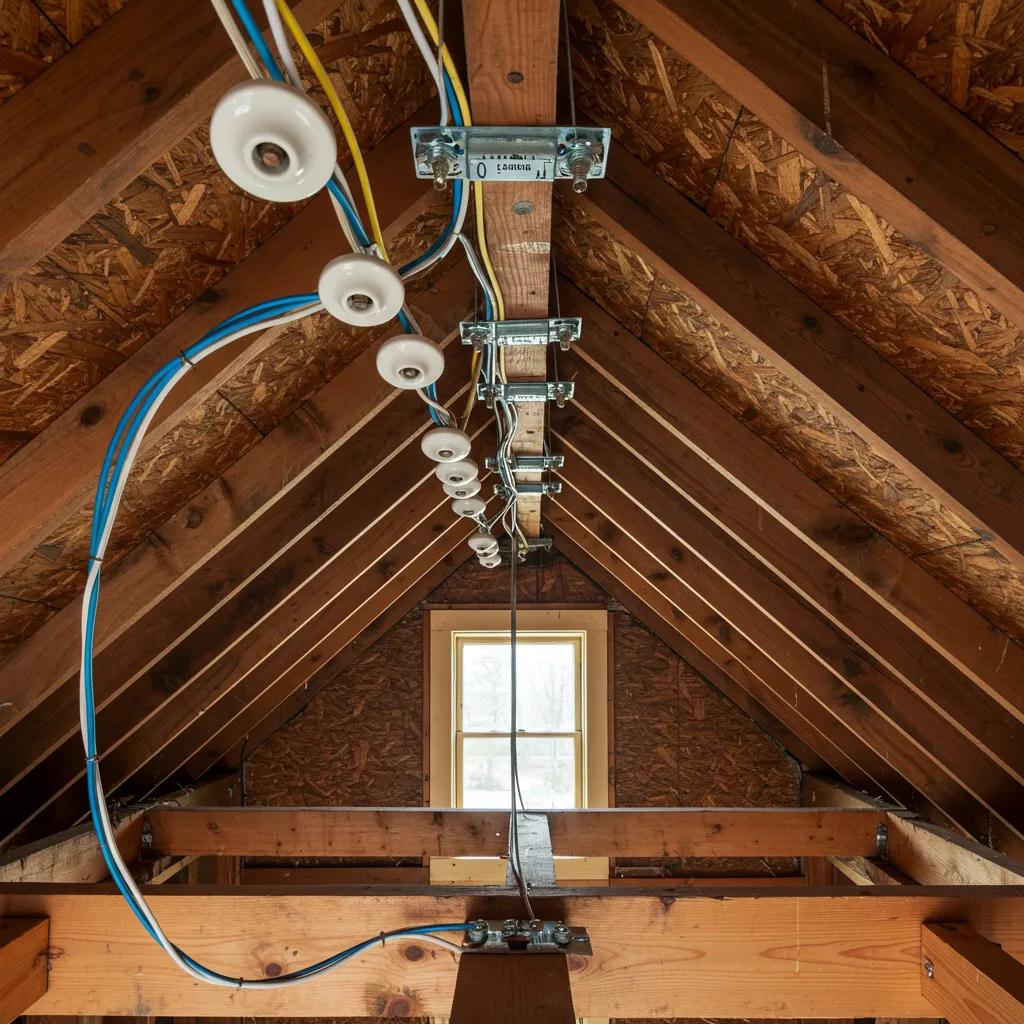
Knob and tube wiring is a single-conductor system that utilizes porcelain knobs to secure wires and porcelain tubes to guide them through joists and framing. This setup provided basic lighting and outlet circuits before grounded systems were common. The system—featuring exposed, separated hot and neutral conductors with cloth or rubber insulation and no grounding wire—was adequate for early electrical demands but cannot safely handle the density of modern appliance usage. Upgrading this wiring offers three significant advantages: a reduced fire risk due to deteriorated insulation, restored grounding and AFCI/GFCI protection, and the elimination of underwriting and resale obstacles associated with outdated electrical systems. Identifying K&T in attics, wall cavities, and junction points is the initial step in planning remediation, informing decisions between partial fixes and whole-house replacement. For homeowners seeking an evidence-based plan, a Free Electrical Assessment can document existing conditions and recommend Whole-House Rewiring or targeted repairs, complete with a 3-page Home Electrical Safety Inspection (HESI) to clarify the next steps.
What defines older wiring in older homes?
This older wiring is characterized by its use of porcelain knobs to fasten conductors and porcelain tubes where wires pass through framing, with cloth-insulated copper conductors kept separate rather than bundled. This construction leaves the hot and neutral wires exposed across joists and through attic spaces, making visual identification relatively straightforward during an inspection. Typical locations include attics, crawl spaces, and wall voids where wiring was routed before modern conduit and sheathed cable became standard. Spotting these components during a visual inspection signals the need for a focused safety assessment and potential testing for insulation breakdown and overheating.
Why is older wiring considered unsafe today?
Older wiring is deemed unsafe today primarily because it lacks a grounding conductor, employs aged insulation prone to degradation, and was not designed for the demands of modern electrical loads like air conditioning, electric ranges, and multiple high-amp circuits. The absence of grounding heightens the risk of electric shock and equipment damage, while cloth or rubber insulation becomes brittle over decades, potentially exposing conductors that can generate heat and arcs. Modern safety devices such as AFCIs and GFCIs cannot be properly installed without updated branch circuits and grounding, limiting the effectiveness of interim workarounds. Identifying these safety deficiencies early reduces the likelihood of fire or loss and helps determine if replacement is the appropriate solution.
How does older wiring affect home financial protection and resale value?
This older wiring frequently raises underwriting concerns for providers of financial protection, as companies view the system as a heightened fire risk and an indicator of non-compliance with modern codes. This can result in policy refusals, increased premiums, or restrictive endorsements for coverage. In the resale market, home inspectors commonly flag K&T as a significant issue, potentially slowing transactions and reducing buyer offers unless remediation or documentation is clearly presented. Rewiring enhances marketability and can simplify home-sale disclosures by replacing a common underwriting red flag with documented, code-compliant electrical work, improving eligibility for financial protection. Homeowners planning renovations, major appliance installations, or a future sale should carefully weigh the long-term financial advantages of replacement against the immediate costs.
When should homeowners consider rewiring their older wiring systems?
Homeowners should consider rewiring when they observe visible insulation deterioration, experience frequent fuse or circuit breaker issues, plan substantial renovations or appliance upgrades, or face financial protection or real estate requirements that mandate modern wiring. Additional triggers include attics or walls with exposed K&T near insulation, evidence of overheating at terminations, and any electrician’s recommendation following a thorough inspection. Scheduling a professional assessment before undertaking renovations helps prevent redundant work and informs decisions about a phased Whole-House Rewiring approach versus targeted replacement for cost-effectiveness. Early assessment also supports documentation for financial protection and planning for necessary panel upgrades.
What Are the Main Dangers and Safety Risks of Older Wiring?
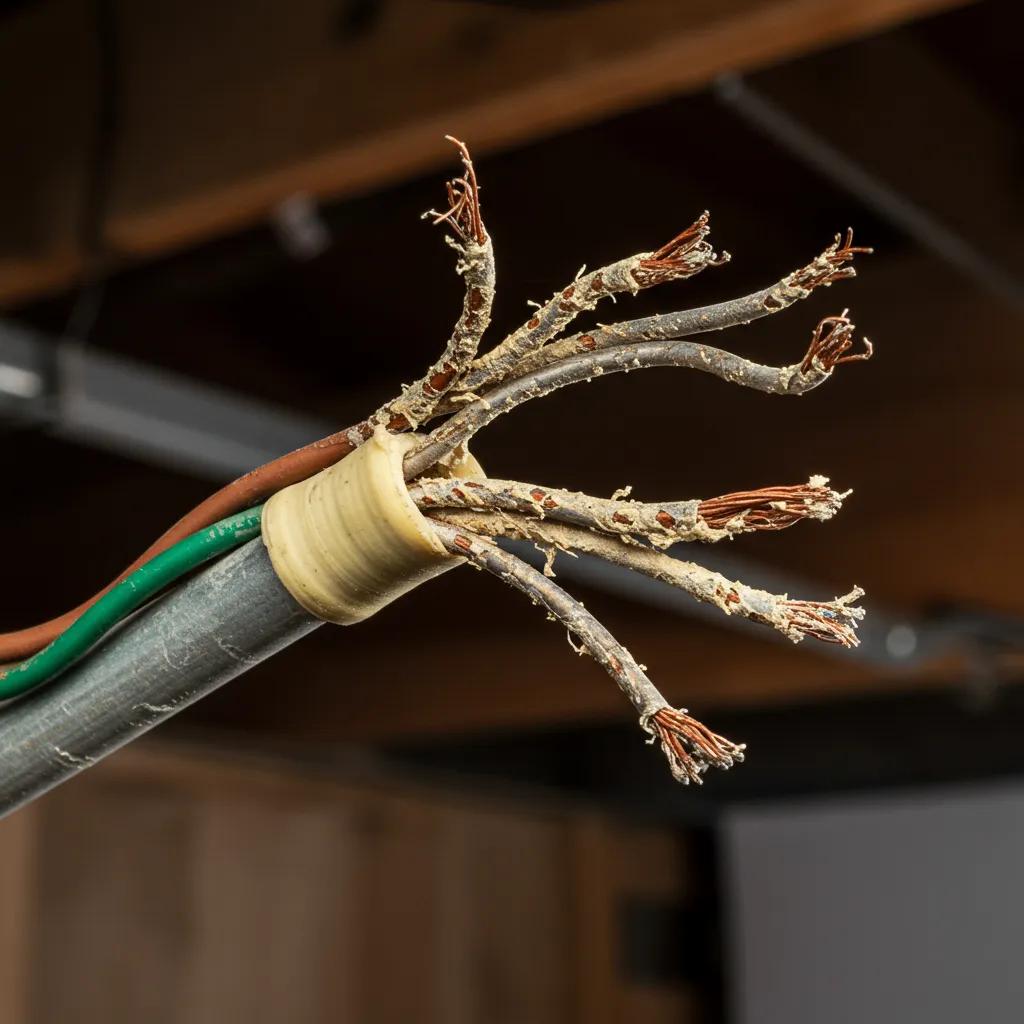
This older wiring presents specific dangers due to its exposed conductors and aged insulation, which create predictable failure modes that elevate fire and shock risks in older homes. The primary mechanisms involve heat-related insulation breakdown, the absence of grounding, and limited ampacity compared to modern electrical demands. Each of these can lead to electrical arcing, energized metal fixtures, and overloaded circuits. Understanding these mechanisms allows for targeted interim protections and helps homeowners prioritize replacement or panel upgrades. Below, we break down the hazards into distinct categories and describe the homeowner signs that warrant immediate professional evaluation.
How does deteriorated insulation increase fire hazards?
Deteriorated older wiring insulation—originally cloth or rubber—loses its tensile strength and protective qualities over decades, exposing conductors and increasing the likelihood of arcing and localized overheating. When insulation cracks or compresses against framing, heat dissipation is hindered, and hot spots can form near fastenings or junctions, potentially igniting surrounding combustible materials. Homeowners should watch for discolored insulation, a musty electrical odor, or scorch marks around outlets and fixtures as indicators of degradation. Prompt replacement or removal of compromised wiring runs is critical to reducing the probability of ignition.
Why does older wiring lack grounding and what are the shock risks?
These older systems predate the grounded conductor required by modern electrical codes, meaning they do not include a ground wire to safely divert fault currents away from users and equipment. This absence means metal boxes, light fixtures, and appliance enclosures can become energized during a fault, increasing the risk of electric shock. Temporary mitigation measures, such as adding GFCI protection at the panel or receptacles, can reduce shock risk but do not substitute for a true equipment grounding conductor. Full remediation through rewiring restores grounding and enables the installation of required protective devices across circuits.
How can overloaded circuits in older wiring cause damage?
These circuits were originally sized for early 20th-century electrical loads and often feature smaller conductors and fewer circuits than modern households require. This makes overloading more probable when owners add appliances or use multiple high-draw devices simultaneously. Overloading leads to persistent heating, accelerates insulation aging, and increases the chance of loose connections and arcing at splice points. This risk is compounded when homeowners rely on multiple extension cords to power modern devices, further straining the limited capacity of the original wiring. Signs of overload include outlets that feel warm to the touch, frequent fuse blows or tripped circuit breakers, and dimming lights when major appliances are running. Addressing overloads typically necessitates additional circuits and potentially panel upgrades to safely distribute loads.
What electrical code violations are associated with older wiring?
This older wiring commonly conflicts with modern electrical codes for several reasons: the absence of grounding conductors, prohibitions against covering it with thermal insulation in many jurisdictions, and the lack of AFCI/GFCI protection on contemporary circuits. Inspectors will flag covered runs, spliced or modified K&T without proper junction boxes, and connections to newer wiring methods that are not performed to code. These violations have practical consequences: permits may require correction before a sale closes or a new policy is issued, and unpermitted alterations can complicate claims for financial protection. Correcting code violations typically involves replacing the affected wiring runs with modern, grounded cable and installing the required protective devices.
How Much Does Older Wiring Upgrades Cost in Massachusetts?
A direct answer: Older wiring upgrades in Massachusetts typically incurs a wide range of costs, as various factors influence the price. However, homeowners can generally expect a full replacement to fall within a mid-range budget, depending on the home’s size, the necessity of a panel upgrade, and the extent of wall repairs required. The total price is influenced by square footage, accessibility, the need for an electrical panel upgrade, permitting and inspection fees, and cosmetic patching. Transparent cost breakdowns help homeowners plan and decide between phased work and a single-project replacement. Below is a cost comparison table that clarifies typical components and their price ranges to guide your budgeting decisions in Massachusetts.
| Home Size / Cost Component | Typical Cost Range | Notes |
|---|---|---|
| Small home (under 1,200 sq ft) | $5,000 – $12,000 | Fewer rooms, accessible attic/crawl spaces |
| Medium home (1,200–2,000 sq ft) | $10,000 – $20,000 | More circuits, likely some wall repair needed |
| Large home (over 2,000 sq ft) | $18,000 – $35,000+ | Multiple floors, extensive wiring runs |
| Electrical panel upgrade | $1,500 – $4,500 | Depends on amperage increase and meter coordination |
| Wall/ceiling repairs & finishes | $500 – $6,000 | Varies with cosmetic match and historic finishes |
What is the average cost range for older wiring replacement?
Average replacement cost ranges reflect the variability across different home sizes and conditions. However, a practical range for Massachusetts homes commonly falls between the low four-figure and mid five-figure totals, depending on the project’s scope. Small homes or selective circuit replacements might be at the lower end, while whole-house projects involving panel upgrades and extensive finish work approach the higher end. Homeowners should anticipate estimates to vary based on access conditions—attics and basements that allow wiring runs without major wall openings will reduce labor and repair costs. Comparing detailed bids and requesting line-item breakdowns clarifies where the budget is allocated.
Which factors influence the total rewiring cost?
Several factors influence the total rewiring cost: the home’s size and number of circuits, the accessibility of routing paths, the existing panel’s capacity and the need for upgrades, the extent of wall/ceiling repair and finish matching required, and local permitting and inspection fees. Each factor adds to labor or material costs: hard-to-reach wiring runs increase labor time, ornate plasterwork raises patching expenses, and panel upgrades add equipment and electrician time. Planning renovations concurrently with rewiring can reduce duplicate costs, and phased approaches can spread expenses while addressing the highest-risk areas first. Understanding these cost drivers helps homeowners request targeted options in their estimates.
How do electrical panel upgrades affect overall replacement expenses?
Panel upgrades typically add a distinct cost line item—often several thousand dollars—but they are frequently necessary to support modern service amperage and new safety devices. Performing the upgrade during rewiring minimizes redundant work. Typical upgrades increase service from legacy ratings to 100A or 200A, enhancing capacity for modern HVAC systems, EV charging, and kitchen appliances. Coordinating the panel work with the rewiring project reduces coordination time and often lowers the total labor cost compared to performing these jobs separately. Homeowners should budget for upgrade options and discuss whether a phased amperage increase or a full replacement best suits their future needs.
What should homeowners expect during the rewiring process and timeline?
Homeowners can anticipate a multi-phase process: an initial inspection and report, rough-in wiring installation, panel or service work, final terminations and device installation, and a municipal final inspection. Timelines can range from a few days for targeted repairs to several weeks for whole-house rewiring. Typical disruptions include temporary power adjustments, furniture movement, and selective access to attic and basement spaces, though phased work and protective coverings help limit daily inconvenience. Clear scheduling and consistent communication reduce homeowner disruption, and final inspections provide the necessary documentation for financial protection and resale purposes. Preparing in advance—moving fragile items and confirming finish expectations—can expedite the workflow.
How Does Older Wiring Impact Home Financial Protection and What Are the Solutions?
Yes/no summary: Many providers of financial protection view active older wiring as a high-risk condition that can lead to coverage refusal or higher premiums. Full replacement or documented repairs typically restore eligibility for coverage and reduce underwriting friction. Providers assess K&T as an elevated fire risk and may decline new policies or impose higher premiums and exclusions. The open-air conductors, aged insulation, and incompatibility with required safety devices increase perceived loss exposure. Furthermore, concealing K&T under insulation or failing to disclose known conditions can result in claim denials. Homeowners benefit from proactive documentation of remediation plans and licensed electrician reviews to minimize underwriting friction for their financial protection.
Why do many providers of financial protection refuse coverage or charge higher premiums for homes with older wiring?
Providers of financial protection evaluate risk based on historical loss data and consider this older wiring an increased fire risk that is difficult to inspect or cover reliably. Consequently, some carriers decline new coverage or apply higher premiums and exclusions. The open-air conductors, aged insulation, and incompatibility with required safety devices heighten perceived loss exposure. Additionally, concealing K&T under insulation or failing to disclose known conditions can lead to claim denials. Homeowners benefit from proactive documentation of remediation plans and licensed electrician reports to reduce underwriting friction for their financial protection.
How does replacing older wiring improve eligibility for financial protection and home value?
Replacing this older wiring removes a common underwriting red flag and restores code compliance, enabling providers of financial protection to underwrite policies without special endorsements and buyers to perceive the property as safer and more marketable. Documented rewiring, complete with permits and final inspections, serves as a strong signal to both providers and appraisers that electrical risks have been mitigated, which can translate into better offers and easier financing. The process also allows for the installation of modern protective devices, further reducing risk and supporting a higher perceived home value. Sellers who present comprehensive documentation typically face fewer inspection contingencies.
What disclosure requirements exist for older wiring in financial protection policies?
When applying for coverage or listing a home for sale, homeowners are obligated to honestly disclose material conditions. Many applications include specific questions regarding the presence of older wiring or other legacy electrical systems. Non-disclosure can jeopardize claims for financial protection, making it essential to provide inspection reports, HESI documentation, and details of any repairs performed. If replacement is planned but not yet complete, providers may accept conditional plans if a licensed electrician documents the scope and timeline. Always retain permit receipts, signed inspection certificates, and warranties to present to carriers or prospective buyers.
How can homeowners work with licensed electricians to ensure financial protection compliance?
Licensed electricians provide the essential documentation that providers of financial protection require: a thorough inspection report, such as a 3-page Home Electrical Safety Inspection (HESI), permit applications, final inspection sign-offs, and a workmanship warranty that demonstrates accountability and quality. Collaborating with a master electrician who documents findings with photographs and a clear scope simplifies the process of presenting a remediation package to underwriters and real estate professionals. Deliverables to request include the inspection report, permits filed and closed, before-and-after photographs, and written warranty terms. These documents effectively bridge the gap between the technical work performed and the provider’s need for verifiable risk reduction.
What Are the Steps and Best Practices for Older Wiring Upgrades?
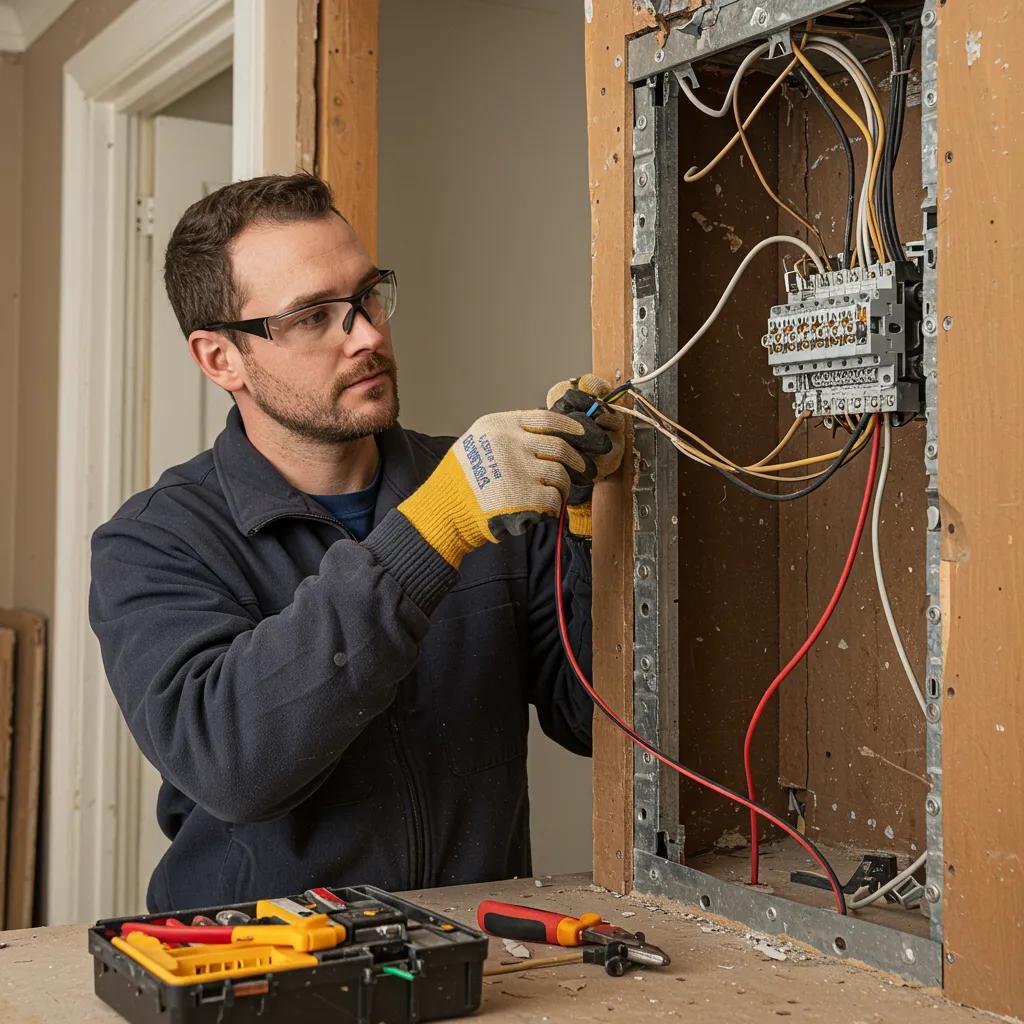
A concise process overview: effective removing knob and tube wiring involves a licensed inspection, scope planning, phased rough-in wiring, coordinated panel upgrades, finishing and patching, and municipal final inspection. All steps are executed with a focus on minimizing wall damage and preserving historic finishes. Best practices include thoroughly documenting existing conditions, employing phased approaches to limit daily disruption, routing wires through attics or basements whenever possible, and coordinating panel upgrades to avoid repeated penetrations. Below is a structured table outlining the recommended six-step process with expected timeframes and impact, allowing homeowners to plan effectively.
| Step | Action | Typical Time / Impact |
|---|---|---|
| 1. Inspection & HESI | Visual assessment & documentation | 1–3 days; defines project scope |
| 2. Planning & permits | Scope finalization, phasing, approvals | 1–2 weeks; ensures compliance |
| 3. Rough-in wiring | Installation of new branch circuits | Several days to 2 weeks; primary disruption period |
| 4. Panel/service work | Upgrade and termination of circuits | 1–3 days; essential for capacity |
| 5. Finish/patching | Repair of walls and cosmetic work | Days to weeks; restores appearance |
| 6. Final inspection & warranty | Municipal sign-off & warranty issuance | 1–2 weeks; documents project completion |
How does a licensed electrician inspect and assess older wiring?
A licensed electrician conducts a methodical inspection, including walkthroughs of attics and basements, examination of visible wiring runs, evaluation of terminations and junctions, and documentation of findings through photographs and notes in an inspection report, such as a 3-page Home Electrical Safety Inspection (HESI). They assess insulation condition, circuit capacity, and compatibility with modern protective devices, as well as evaluate the electrical panel for capacity and code compliance. The electrician then translates these observations into a recommended scope of work, prioritizing safety items and providing estimated timelines. This documented assessment is fundamental for planning remediation and presenting evidence to providers of financial protection.
What is Stag Electric’s six-step rewiring process for minimal disruption?
Stag Electric employs a six-step process that begins with a licensed inspection and HESI, proceeds through detailed planning and permitting, phases the rough-in wiring to open only necessary areas, coordinates panel or service upgrades, completes cosmetic patching and finishes, and concludes with final inspection and a warranty. This approach prioritizes minimal wall damage by routing wires through attics and basements where feasible, utilizing targeted openings, and phasing work to maintain household functionality. Stag Electric’s process is backed by MA Master Electrician License #23397-A and NH State Electrical Corporation License #15353. Their services include Whole-House Rewiring and a 3-year workmanship warranty to reduce homeowner risk. This structured method ensures homeowners are informed at every stage.
How is wall damage minimized during rewiring in older homes?
Minimizing wall damage during rewiring relies on techniques such as routing new wiring through attics and basements, fishing wires through existing cavities, using small, targeted access cuts, and performing cosmetic patching that closely matches original finishes whenever possible. Electricians utilize fish tapes, flexible conduit, and selective removal to avoid extensive demolition of plaster or paneling. They can also coordinate with finish carpenters to replicate historic trim and textures. Clear planning before work commences and homeowner input on the desired level of finish reduce surprises and restore the appearance of walls with minimal visible evidence of electrical work. These tactics help preserve historic fabric while achieving modern safety standards.
What warranties and guarantees should homeowners expect from rewiring services?
Homeowners should expect a written workmanship warranty covering labor for a specified period, product warranties for installed equipment, and a clear written scope of work that delineates responsibilities and exclusions. A typical strong offering includes a multi-year workmanship warranty guaranteeing corrective action for defects attributable to the installation. In addition to warranties, homeowners should require that the contractor obtains permits and final municipal inspection sign-offs and provides all relevant documentation. Written contracts that include timelines, payment schedules, and a warranty statement protect both the homeowner and the electrician and provide crucial evidence for financial protection and resale purposes.
Where Can North Shore Massachusetts Homeowners Find Licensed Electricians for Older Wiring Upgrades?
For homeowners in the North Shore area, finding licensed electricians who combine local expertise with documented credentials and a specialization in old-home wiring is crucial for ensuring safe, code-compliant work with minimal impact on historic structures. Local providers should be able to present state license numbers, inspection deliverables, and warranty terms. They should also offer straightforward booking methods for a Free Electrical Assessment to initiate the process. Stag Electric, operated by David Briley, is a local licensed master electrician service catering to North Shore MA and southern NH towns. The company offers Whole-House Rewiring, the 3-page Home Electrical Safety Inspection (HESI), complimentary estimates, and a 3-year workmanship warranty to provide homeowners with peace of mind. Below are details on their service areas and how to request a free assessment.
Which towns in North Shore MA does Stag Electric serve for older wiring replacement?
Stag Electric serves numerous towns across the North Shore and adjacent areas of southern New Hampshire. Specific service areas include Amesbury, Newburyport, Merrimac, Exeter, and West Newbury. Responsiveness within their service area means quicker appointments for a Free Electrical Assessment and faster mobilization for rewiring projects. Homeowners in nearby towns are encouraged to inquire about availability and scheduling, and to be prepared to share basic home details to expedite the assessment process. Local familiarity allows electricians to anticipate common access patterns and historic construction types prevalent in each town.
Why choose Stag Electric as your trusted older wiring expert?
Choose Stag Electric for a combination of licensed credentials, specialized expertise in older homes, and homeowner protections that include a 3-page Home Electrical Safety Inspection (HESI), free estimates, and a 3-year workmanship warranty. The company, operated by David Briley, holds MA Master Electrician License #23397-A and NH State Electrical Corporation License #15353. Their service positioning emphasizes techniques for minimal wall damage and detailed documentation for financial protection and resale purposes. With a proven track record of local projects and positive homeowner reviews, Stag Electric aims to reduce risk and provide cost clarity for older home electrical upgrades.
How to book a free assessment or estimate for older wiring upgrades?
To book a Free Electrical Assessment, homeowners should gather basic information about their home—such as its age, any known locations of K&T wiring, and details of recent electrical issues—and then request an assessment that includes the 3-page Home Electrical Safety Inspection (HESI) to document findings and recommend a scope of work. This assessment provides a written scope and helps determine whether Whole-House Rewiring or targeted repairs are most appropriate. Following the assessment, homeowners will receive a transparent estimate and various timeline options, including recommendations for phased approaches and panel upgrades. Utilizing a licensed electrician who meticulously documents permits and final inspection results simplifies subsequent claims for financial protection or resale processes.
What Are Common Questions About Older Wiring Upgrades?
This section provides direct and practical answers to common homeowner questions, aiming to facilitate quick decision-making and target featured snippet queries that homeowners often search for when dealing with older wiring issues. Short, actionable answers are provided below, with each response suggesting immediate next steps, such as scheduling a Free Electrical Assessment and collecting inspection documentation.
Is older wiring safe to use in modern homes?
No; this older wiring is not considered safe for modern homes because it lacks grounding, features aged insulation, and cannot reliably support contemporary electrical loads, thereby increasing fire and shock risks. Interim safety measures, such as adding GFCI protection at receptacles or reducing the load on affected circuits, can be implemented, but these are temporary mitigations that do not replace full branch circuit replacement. The recommended course of action is to schedule a licensed inspection and obtain a formal HESI report to determine whether targeted repairs or Whole-House Rewiring is necessary. Documentation from a licensed electrician is invaluable for financial protection and resale planning.
How long does older wiring replacement take?
The duration of replacement varies depending on the project’s scope: targeted circuit replacement or repairs can be completed in a matter of days, while Whole-House Rewiring typically spans one to several weeks, contingent on the home’s size, the complexity of panel upgrades, and the extent of finish work. Planning, permitting, and scheduling inspections add lead time, so homeowners should anticipate a total calendar window that extends beyond the pure labor hours. Phased approaches help reduce daily disruption by prioritizing high-risk areas first and spreading cosmetic work over time. Clear communication with the licensed electrician is key to setting realistic expectations.
Will rewiring cause major disruptions or wall damage?
Rewiring can be accomplished with minimal visible wall damage when electricians utilize attic and basement routing, fishing techniques, and selective access cuts. However, some patching and finishing are generally necessary, particularly in homes with plaster or lath walls. Contractors specializing in historic homes plan for cosmetic restoration and coordinate with finish carpenters or plasterers as needed. Homeowners should discuss their finish expectations, provide matching samples where possible, and plan for minor clearances and furniture moves during the work. Proactive planning and phased scheduling help minimize perceived disruption.
Are permits and inspections required for older wiring replacement?
Yes, permits and municipal inspections are commonly required for older wiring replacement. These processes provide official documentation of code compliance and final sign-off, which are accepted by providers of financial protection and buyers. Licensed electricians typically manage permit submissions and coordinate inspections, ensuring the work adheres to local electrical and safety codes. Retaining permit records and final inspection certificates is crucial for claims for financial protection and real estate disclosures. Proper permitting reduces liability and demonstrates the quality of workmanship.
How can I verify my electrician is licensed for older wiring work?
Verify an electrician’s credentials by requesting their state license numbers and confirming them through the appropriate licensing portals. Also, ask for proof of financial protection, check references, and review written warranty terms, such as a 3-year workmanship warranty. Request examples of previous old-home rewiring projects and a sample 3-page Home Electrical Safety Inspection (HESI) report to confirm their inspection and documentation practices. Licensed professionals who handle permits and provide final inspection sign-offs offer the strongest assurance and the documentation that providers of financial protection require.
- Immediate Actions: Schedule a licensed Free Electrical Assessment and obtain a 3-page HESI report.
- Essential Documentation: Collect the inspection report, permits, final inspection sign-off, and written warranty.
- Guidance for Decisions: Compare detailed line-item estimates that clearly separate costs for wiring, panel upgrades, and finish work.
Taking these steps empowers homeowners to manage safety, financial protection, and project costs effectively while preserving their home’s historic character.
Frequently Asked Questions
What are the signs that indicate older wiring needs replacement?
Homeowners should be aware of several key indicators suggesting that older wiring requires replacement. These include visible deterioration of insulation, frequent circuit breaker trips or blown fuses, and signs of overheating such as scorch marks around outlets. Additionally, if you plan to upgrade appliances or undertake significant renovations, it’s prudent to consider rewiring. A licensed electrician can perform a thorough inspection to assess the wiring’s condition and recommend appropriate actions.
Can I replace older wiring myself?
While some homeowners might consider DIY electrical work, replacing older wiring is strongly discouraged for individuals without proper training. This type of project demands a comprehensive understanding of electrical codes, safety standards, and the potential hazards involved. Hiring a licensed electrician ensures the replacement is performed safely, complies with local regulations, and minimizes risks associated with electrical work. Furthermore, professional electricians can provide the necessary documentation for financial protection and resale purposes.
How does older wiring affect energy efficiency?
Older wiring is generally less energy-efficient compared to modern wiring systems. Its outdated design and lack of grounding can lead to energy loss and increased electrical resistance, potentially resulting in higher utility bills. Moreover, its inability to support modern electrical loads can cause appliances to operate inefficiently. Upgrading to a modern wiring system not only enhances safety but also improves energy efficiency, potentially lowering energy costs in the long run.
What should I do if I find older wiring in my home?
If you discover older wiring in your home, the initial step is to avoid using any circuits associated with it until a professional assessment is completed. Schedule a licensed electrician to conduct a thorough inspection and provide a Home Electrical Safety Inspection (HESI) report. This will help you understand the wiring’s condition and the necessary steps for replacement or remediation. Prompt action can prevent safety hazards and financial protection complications.
Are there any financial assistance programs for replacing older wiring?
Some homeowners may be eligible for financial assistance programs or grants designed to improve electrical safety in older homes. These programs can vary by state and locality, often targeting low-income households or residents in specific neighborhoods. It is advisable to check with local government agencies, non-profit organizations, or utility companies for available resources. Additionally, some electricians may offer financing options to help manage the costs of rewiring projects.
What are the long-term benefits of replacing older wiring?
Replacing older wiring offers several significant long-term benefits, including enhanced safety, improved eligibility for financial protection, and increased property value. Modern wiring systems provide superior protection against electrical hazards, such as fire and shock risks. Furthermore, homes with updated electrical systems are more appealing to potential buyers and can command higher resale prices. Upgrading your wiring can also lead to lower energy costs and improved efficiency for modern appliances, making it a worthwhile investment.
Conclusion
Replacing knob and tube wiring is a critical step toward enhancing safety and ensuring compliance with modern electrical standards, effectively mitigating fire hazards. This proactive measure not only safeguards your home’s electricity but also boosts its marketability and resale value, making it a wise investment for homeowners. To begin your journey toward a safer electrical system, consider scheduling an Electrical Assessment with a licensed electrician. Equip yourself with the necessary knowledge and support to restore your home’s electrical integrity.