Is Your Home's Electrical Panel Sending Signals? Key Signs It's Time for an Upgrade & How to Ensure Safety
Your electrical panel, often called a service panel, acts as the vital heart of your home’s power system, channeling electricity from the utility to every circuit. Recognizing the signs that your home needs an electrical panel upgrade is crucial for preventing fire risks, avoiding insurance complications, and keeping your renovations on track. This article covers common warning signs, how to spot overloaded or outdated equipment, urgent safety hazards, and planning upgrades for new appliances or home remodels. We’ll cover code compliance and benefits beyond safety, offering actionable advice specifically for North Shore MA homeowners preparing for EV chargers, kitchen overhauls, or safety inspections.
What Are the Key Warning Signs Your Electrical Panel Needs Attention?
Your electrical panel communicates issues through its behavior and visible condition. Frequent breaker trips, flickering lights, a warm or buzzing panel, rust, corrosion, or any burning smell indicate failing components. These symptoms often arise from loose connections, overheating, or insufficient capacity, significantly increasing fire risk. Observe patterns and share this information with a qualified professional during a safety inspection to prioritize repairs.
Here are the top, easily scannable warning signs homeowners frequently encounter: residential services.
- Frequent Breaker Trips: If breakers trip often under normal use, it points to an overload or failing components.
- Flickering or Dimming Lights: Intermittent voltage drops can signal loose connections or a weakened busbar.
- Burning Smells or Warm Panel: Overheating connections are a serious precursor to arcing and potential fire.
- Corrosion or Rust on the Panel: Moisture-damaged terminals increase electrical resistance and heat.
- Buzzing or Arcing Sounds: Any electrical arcing is an immediate hazard requiring immediate power shutoff and professional inspection.
These critical warning signs provide a quick checklist. If multiple signs appear, turn off affected circuits and schedule a professional inspection immediately.
Different warning signs often point to specific causes and require distinct actions: electrician newburyport
| Warning Sign | Likely Cause | Immediate Action |
|---|---|---|
| Frequent trips | Circuit overload, shared circuits, failing breakers | Note the pattern, avoid heavy loads, schedule an inspection |
| Flickering/dimming lights | Voltage drop, loose neutral, overloaded panel | Record when it happens, unplug sensitive devices, arrange for testing |
| Burning smell or warmth | Loose connection, corrosion, overloaded bus | Turn off power to the panel area if safe, call a qualified professional immediately |
| Corrosion or rust | Moisture intrusion, coastal air effects | Keep the area dry, avoid opening the panel, book a professional assessment |
| Buzzing/arcing sounds | Loose busbars, failing breakers, active arcing | Shut off circuits, evacuate if smoke is present, call emergency services and a qualified professional |
This table helps homeowners translate signs into probable causes and immediate actions, reducing risk and preparing for professional diagnosis.
How Do Frequent Circuit Breaker Trips Signal Panel Problems?
Frequent circuit breaker trips signal overloads, short circuits, or failing breakers, often indicating panel capacity or wear issues. While occasional trips during peak usage are normal, trips under modest loads suggest your panel can’t safely handle demand or breakers are failing. A professional analyzes load distribution, tests breakers, and inspects for overheating. Homeowners should record trip patterns and avoid DIY breaker swaps to aid diagnosis and determine if an upgrade or repair is needed.
Why Do Flickering or Dimming Lights Indicate Electrical Panel Issues?
When multiple lights across different circuits dim or flicker, the issue often stems from the electrical panel, possibly due to loose neutral connections, voltage drops, or a strained service. Professional voltage testing reveals if your panel maintains nominal voltage and if connections are secure. Intermittent dimming suggests loose connections that can overheat. Note timing and context (e.g., when HVAC starts) and avoid heavy use on suspect circuits. Prompt professional testing is vital to reduce fire risk and protect electronics.
How Can You Spot Overloaded or Outdated Electrical Panels in Your Home?
Detecting overloaded or outdated electrical panels involves a visual and operational checklist. Look for old fuse boxes, recalled brands, rust, illegible labeling, or “double-tapped” breakers. Operational signs include inability to add circuits, breakers not resetting, frequent trips, or reliance on extension cords. Professionals perform load calculations and meter testing to confirm if your service amperage meets current needs. These cues, with expert testing, determine if a panel replacement, service upgrade, or subpanel addition is needed.
Here’s a quick checklist to help you detect overload or obsolescence:
- Inspect for an old fuse box or obsolete panel labels.
- Verify that breakers are clearly labeled and correspond to their circuits.
- Note if you lack space to add new circuits or if your breakers are physically full.
- Watch for persistent breaker replacements or breakers that feel hot to the touch.
- Schedule meter-based load testing if you observe multiple warning signs.
These actions help homeowners prioritize a professional visit and determine if a panel upgrade is needed for modern loads like EV chargers or new HVAC.
| Panel Type | Risk Indicators | Typical Capacity / Limitations |
|---|---|---|
| Fuse box (fuses) | Limited circuits, fuses blowing under load, no AFCI/GFCI compatibility | Often 60A–100A, challenging to add circuits safely |
| Legacy breaker panels (recalled brands) | Frequent failures, overheating, documented recall history | Variable; many lack essential modern safety features |
| Modern breaker panel (200A service) | Proper labeling, ample space for additions, AFCI/GFCI compatibility | Commonly 100A–400A service, specifically designed for future expansions |
This comparison helps homeowners understand why older systems are often replaced to meet contemporary demands. A panel upgrade not only restores safety but also unlocks crucial capacity for new circuits and advanced safety devices.
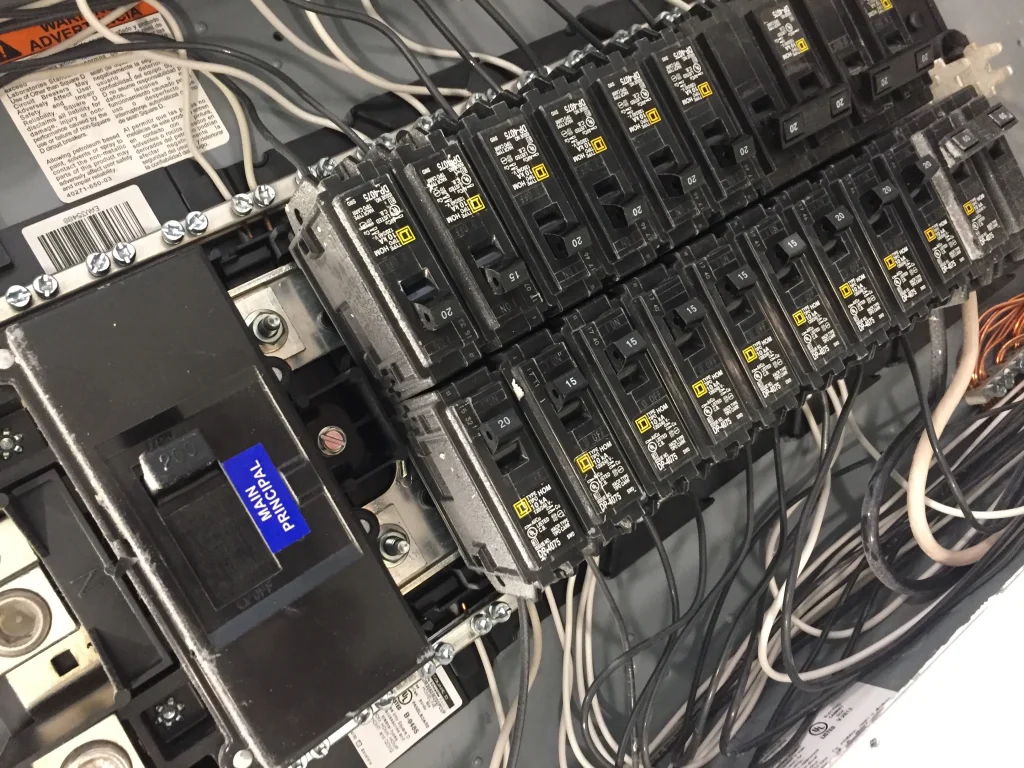
This image showcases a modern electrical panel, characterized by its organized wiring, clear labeling of each circuit breaker, and ample space for future additions. Such a setup not only enhances safety by making troubleshooting easier but also ensures efficient power distribution throughout the home, accommodating contemporary electrical demands.
What Are the Dangers of Using an Old Fuse Box Instead of a Modern Panel?
Old fuse boxes limit circuits and capacity, lacking AFCI/GFCI compatibility. Fuses prevent overloads but not arc faults, and homeowners might use higher-value fuses, increasing fire risk. Adding circuits is difficult. Replacing a fuse box with a modern breaker panel improves protection, allows AFCI/GFCI, and simplifies future additions like EV chargers.
How Does Increased Home Electrical Demand Impact Your Panel's Capacity?
Increased electrical demand from new appliances, EV chargers, or additions can exceed your panel’s capacity, requiring a service upgrade (200A+). Professionals perform load calculations and meter testing to confirm if your service amperage (e.g., 60A-100A) meets current needs. Many pre-1970 homes have insufficient services. If peak demand nears or exceeds your panel’s rating, plan a main service upgrade to safely add circuits and prevent trips.
What Urgent Safety Hazards Signal It’s Time for an Electrical Panel Upgrade?
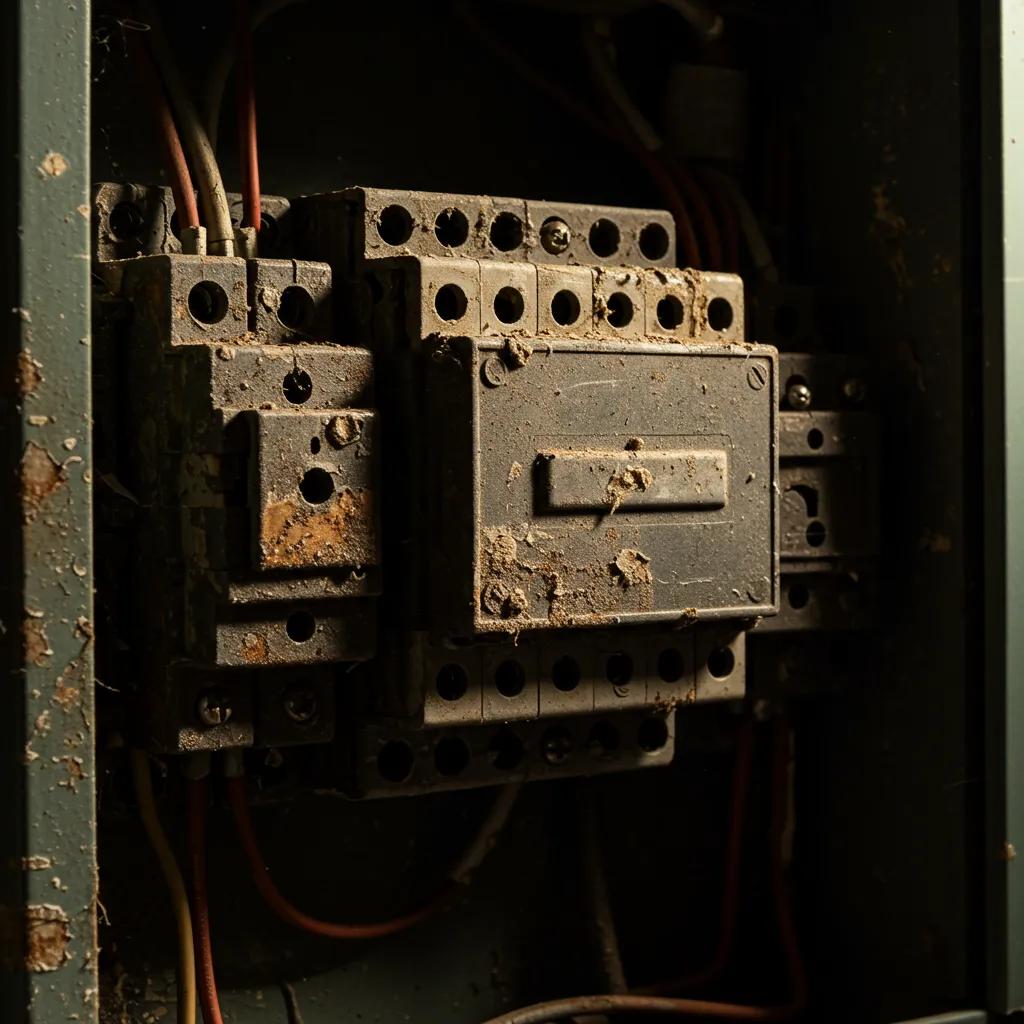
Certain safety hazards demand immediate attention. A persistent burning smell, visible smoke, a warm/hot panel, active arcing, or exposed/corroded connections indicate imminent failure and fire risk. These arise from loose terminations, degraded busbars, or corrosion. Such issues escalate rapidly. Insurance providers and inspectors view these as major liabilities; address them with a thorough safety inspection. Treat these signs as urgent and limit affected circuit use until a professional evaluates the situation.
If you detect any urgent hazards, please take these immediate steps before professional help arrives:
- Turn off and unplug devices on the affected circuit, but only if it’s safe to do so.
- Avoid touching the panel and ensure children and pets are kept well away from the area.
- If you smell burning or see smoke, evacuate your home immediately and contact emergency services.
- Schedule a licensed safety inspection as your very next step to accurately identify remediation needs.
These precautions reduce immediate danger and prepare your home for professional diagnosis and repair.
For homeowners seeking an honest, expert evaluation, Stag Electric proudly offers focused safety inspections and complimentary assessments specifically tailored for North Shore MA residences. At Stag Electric, safety always comes first. We understand homeowner concerns about cost and insurance implications, and we provide transparent next steps after our assessment—whether that means targeted repairs, a full panel replacement, or clear guidance on permits and compliance. Booking a free assessment with our trusted local professionals helps homeowners move from uncertainty to a clear, actionable remediation plan that thoughtfully balances safety, code requirements, and your budget.
Upgrading Residential Electric Panels for Modern Demands
Consequently, we must upgrade residential electric panels to meet the demands of modern living and future technologies. As the number of electrical devices and appliances in homes continues to grow, older electrical panels may struggle to provide sufficient power, leading to potential safety hazards and performance issues. Electric vehicle charging infrastructure will also impact the capacity requirements of residential electrical systems, necessitating upgrades to accommodate these new loads.
Increasing electrical devices and new technologies like EV charging make panel upgrades essential for sufficient power and safety.
How Do Burning Smells or Warm Electrical Panels Signal Danger?
A burning smell or warm electrical panel signals overheating at connections or the busbar, preceding arcing or fire. Causes include loose terminations, overloaded circuits, or corrosion. Immediately note the smell, safely shut off nonessential circuits if possible, and arrange a professional inspection. A qualified professional will perform infrared imaging, torque checks, and replace degraded components to restore safe operation.
What Does Corrosion or Rust on Your Panel Truly Mean?
Corrosion or rust indicates moisture exposure, degrading electrical connections, increasing resistance, and accelerating component failure. Coastal climates, like North Shore MA, face elevated risk. Corroded terminals and busbars generate localized heating, leading to arcing. A professional assessment determines if improved seals, relocation, or a complete panel replacement is needed. They evaluate severity, check for water intrusion, and recommend remediation to restore safety and reliability.
When Should You Plan an Electrical Panel Upgrade for Home Renovations or New Appliances?
Plan a panel upgrade for any renovation or new appliance introducing high-power demand, such as kitchen remodels, heat pumps, or EV chargers. Upgrading early prevents project delays and permit issues, as inspectors require documentation of sufficient electrical service. Coordinate with professionals and contractors during planning to ensure proper circuit placement and compatibility, reducing costly retrofits. Advance load calculations and scheduling allow budgeting for the upgrade as an integral part of the renovation.
Follow these essential steps when preparing for high-load installations:
- Estimate Appliance & Charger Amps: Gather the specific amp draws for all your new equipment.
- Schedule a Load Calculation: Have a licensed professional accurately model your home’s peak demand.
- Coordinate Permits & Sequencing: Ensure all electrical upgrades are completed before final inspections.
These proactive steps avoid last-minute upgrades, saving time and cost, and correctly size your panel for current and future needs.
Stag Electric expertly assists North Shore MA homeowners with comprehensive capacity planning for renovations and EV chargers. We offer clear guidance on sizing your panel upgrade and seamlessly integrating dedicated circuits into your project timelines. Our process typically begins with a complimentary assessment to determine your existing service capacity, followed by a detailed plan that aligns perfectly with permit sequencing and your contractor’s schedule, ensuring electrical work never becomes a bottleneck in your renovation.
Homeowner Electrical Hazards: Risks and Safety Practices
Most homeowners have not engaged certified electrical professionals for routine inspections and maintenance, leading to a lack of awareness about potential electrical hazards. This study aims to provide a comprehensive examination of electrical hazards and safety practices among residential electricity consumers, focusing on identifying common risks and promoting safer electrical habits. The research also highlights the importance of regular electrical inspections and the use of safety checklists focused on electrical safety.
How Do New High-Power Appliances Affect Your Electrical Panel Needs?
High-power appliances (electric ranges, dryers, heat pumps, EV chargers) draw substantial current, requiring careful service sizing and circuit allocation. An EV charger needs a 40–60 amp circuit; electric ranges, 40–50 amps. These loads impact peak demand calculations for service upgrades. Professionals apply diversity factors and consider simultaneous use to prevent undersizing, recommending appropriate panel and breaker ratings.
Why Is a Panel Upgrade Essential Before Major Home Additions?
Delaying a panel upgrade until after construction causes permit delays, disruptive retrofits, or costly temporary workarounds. Inspectors require documented capacity for new loads before final sign-off. Proactive upgrades allow logical circuit routing, strategic subpanel placement, and seamless coordination with other trades, resulting in a cleaner, more efficient installation and avoiding repeated site visits. Planning electrical upgrades before major construction saves time and money.
How Do You Know If Your Electrical Panel Isn't Up to Current Electrical Codes?
Code non-compliance shows through telltale conditions: double-tapped breakers, missing/illegible labeling, jury-rigged splices, lack of AFCI/GFCI protection, or absent bonding/grounding. Recent NEC changes expanded AFCI/GFCI requirements, meaning older installations may no longer meet current safety standards. A professional or inspector can evaluate for compliance, document work, and advise on permits to bring your system up to code.
Homeowners can watch for these critical red flags as an initial assessment: electrical service upgrades
- Double-tapped breakers or any visible loose wiring.
- Missing panel cover labels or circuit descriptions that are impossible to read.
- Evidence of ad-hoc repairs or electrical tape around terminals.
- A clear absence of AFCI/GFCI protection where modern code mandates it.
If you observe these conditions, schedule a professional safety inspection immediately to document non-compliant items and prioritize corrective work.
Placing your trust in a reputable professional is paramount when compliance and insurance implications are at stake. Stag Electric proudly positions itself as a trusted partner for code expertise and safety inspections across North Shore MA. We provide clear, thoroughly documented inspections and repair plans that empower homeowners to address insurance concerns and confidently satisfy inspectors during resale processes or claims.
Residential Electrical Inspection Manual: Safety Checklist Guide
The electrical inspection manual provides guidance on how to conduct thorough electrical inspections in residential settings. Each checklist item is stated exactly as it appears in the checklist itself and is accompanied by a brief explanation of its significance. The manual covers various aspects of electrical safety, including the condition of the electrical panel, wiring, outlets, and fixtures. It also addresses code requirements and the desires of the homeowner.
A comprehensive electrical inspection manual guides homeowners and inspectors, facilitating safety checks and ensuring residential electrical systems meet code and homeowner needs.
What Are the Specific Signs of Non-Compliant or Unsafe Electrical Panels?
Non-compliant panels show shortcuts: double-tapped breakers, missing labels, improvised splices, or absent bonding/grounding. These compromise protection and increase overheating/arcing risk. Homeowners should photograph observations for a professional and avoid altering wiring. Professional remediation involves removing poor connections, installing proper breakers/subpanels, and adding required AFCI/GFCI protection.
How Can Upgrading Your Panel Improve Home Insurance and Safety Standards?
Upgrading your electrical panel reduces insurer concerns by eliminating hazards, improving documentation, and demonstrating code compliance. Many insurers prefer modernization to mitigate claim risks. A licensed inspection and replacement provide essential paperwork for underwriters and buyers, proving reduced electrical risk. Keep all invoices, inspection reports, and permit records as proof of responsible remediation and enhanced safety.
What Are the Benefits of Upgrading Your Electrical Panel Beyond Just Safety?
Upgrading your electrical panel offers benefits beyond hazard reduction: improved reliability, fewer nuisance trips, capacity for new circuits (EV chargers, home offices), and enhanced resale appeal. Modern panels support AFCI/GFCI protection, offer superior busbar connections, and provide spare spaces for future circuits. For sellers, documented upgrades reduce inspection objections and speed up transactions in markets like North Shore MA.
Consider these valuable non-safety advantages: residential services
- Greater Reliability: Enjoy fewer unexpected outages and consistent voltage under load.
- Expansion Capacity: Gain the space to add dedicated circuits for EV chargers, HVAC, or workshops.
- Enhanced Marketability: An upgraded electrical system significantly reduces buyer resistance during home sales.
These outcomes translate into greater convenience, robust future-proofing, and tangible resale value.
| Benefit | Mechanism | Typical Outcome |
|---|---|---|
| Reliability | Modern breakers and secure connections minimize trips | Fewer nuisance outages, consistently stable lighting |
| Capacity | Higher service amperage and available breaker spaces | Ability to add EV charger, HVAC, or dedicated workshop circuits |
| Home value | Documented upgrade with proper permits | Smoother home inspections and stronger buyer confidence |
How Does a New Panel Improve Electrical Efficiency and Reliability?
A new electrical panel improves efficiency and reliability via properly sized breakers, modern busbars, and AFCI/GFCI compatibility, reducing nuisance trips and hazards. Upgraded components maintain tighter tolerances and lower resistance, reducing heat and energy loss. Homeowners will notice fewer trips, steadier lighting, and reduced appliance damage. Regular maintenance ensures these gains, making a panel replacement a wise, long-term investment.
Can Upgrading Your Panel Truly Increase Your Home’s Value and Market Appeal?
Absolutely! An upgraded electrical panel provides documented modernized service, reassuring buyers and appraisers, and reducing negotiation friction. In older home markets, upgrades are highlighted as key safety and convenience features, justifying prices and accelerating offers. Keep all permits, inspection reports, and invoices as undeniable proof to buyers and insurers of responsible modernization.
Frequently Asked Questions About Electrical Panel Upgrades
1. What should I do if I notice signs of electrical panel issues?
If you notice frequent breaker trips, flickering lights, or burning smells, take immediate action. Safely turn off/unplug affected devices. Avoid touching the panel; keep children/pets away. If you smell burning or see smoke, evacuate and call emergency services. Next, schedule a licensed professional for inspection to identify issues and recommend repairs or upgrades.
2. How often should I have my electrical panel professionally inspected?
Have your electrical panel inspected by a professional every three to five years, or more often if warning signs appear. Regular inspections identify hazards early, ensure code compliance, and maintain system safety. A preemptive inspection is also wise before major renovations or adding high-power appliances to determine if an upgrade is needed.
3. Can I upgrade my electrical panel myself?
Upgrading an electrical panel is complex and dangerous, requiring specialized knowledge and code compliance. DIY attempts risk severe hazards like fires, electrocution, or property damage. It’s always best, and often legally required, to hire a licensed professional to safely and expertly perform the upgrade, ensuring work meets standards and your home remains safe.
4. What are the typical costs associated with upgrading an electrical panel?
Electrical panel upgrade costs vary by panel size, complexity, and local labor. A standard upgrade typically costs $1,500-$3,000. Additional costs may occur for new circuits, service entrance upgrades, or extensive rewiring. Always get multiple detailed quotes from licensed professionals for transparent pricing.
Ready for a Safer, More Powerful Home?
Upgrading your electrical panel is a crucial investment that not only significantly enhances your home’s safety but also dramatically improves its reliability and overall efficiency, ensuring it can effortlessly meet today’s modern power demands. By proactively addressing potential hazards and increasing your system’s capacity, homeowners can enjoy fewer frustrating outages and gain the freedom to add new circuits for essential appliances like EV chargers. Taking these proactive steps now can prevent costly future repairs and ensure full compliance with current electrical codes. Don’t wait for a problem to arise—schedule a free assessment with Stag Electric today to explore how a modern electrical upgrade can profoundly benefit your North Shore MA home.