Why Do Circuit Breakers Trip in Cold Weather? Understanding Causes, Risks, and When to Worry
Cold weather often increases the frequency of circuit breaker trips because lower temperatures change how loads, materials, and moisture behave inside a home’s electrical system. This article explains the main mechanisms that make breakers more likely to trip in winter — including increased heating loads, condensation and corrosion, aging components, and loose connections, which can affect everything from major appliances to your home’s lighting circuits. You will learn practical steps to reduce winter trips, signs that require immediate attention, and how professional inspections and targeted repairs prevent fires and service interruptions. The guide also maps common solutions such as panel upgrades, AFCI/GFCI breaker replacement, rewiring for older homes, and load-balancing strategies so you can prioritize actions. Finally, the article explains how a circuit breaker replacement works in cold conditions and when to call a licensed residential electrical professional to protect well-being, insurance standing, and long-term system reliability.
What Are the Main Causes of Circuit Breaker Tripping in Cold Weather?
Circuit breakers trip to protect wiring and appliances when abnormal current flows, and cold-weather conditions make several common triggers more likely. Lower temperatures push homeowners to run additional heating appliances, condensation forms in enclosures, older breakers respond poorly to thermal contraction, and loose connections create arcing that trips or damages breakers, sometimes impacting sensitive electronics and lighting. Understanding these causes helps homeowners separate routine, one-off trips from patterns that indicate failure modes requiring repair. The next sections break each cause down into practical mechanisms, examples, and immediate mitigation steps so you know what to inspect and when to seek help.
How Does Increased Electrical Load from Winter Heating Cause Breaker Trips?
Winter heating raises household demand as space heaters, supplemental electric heaters, and electric air-source heat pump backups draw high current that can exceed individual circuit ampacity. A single portable space heater commonly pulls 12–15 amps on a 15-amp circuit, so running two on the same branch trips the breaker when their combined draw exceeds safe limits. Load calculation is straightforward: total appliance current must remain below the circuit rating to avoid nuisance trips; dedicated circuits for high-draw devices remove this risk and improve protection. Shifting usage, avoiding multiple high-draw devices on the same circuit, and adding dedicated circuits are practical mitigations before considering panel changes.
Why Does Moisture and Condensation Lead to Electrical Problems in Winter?
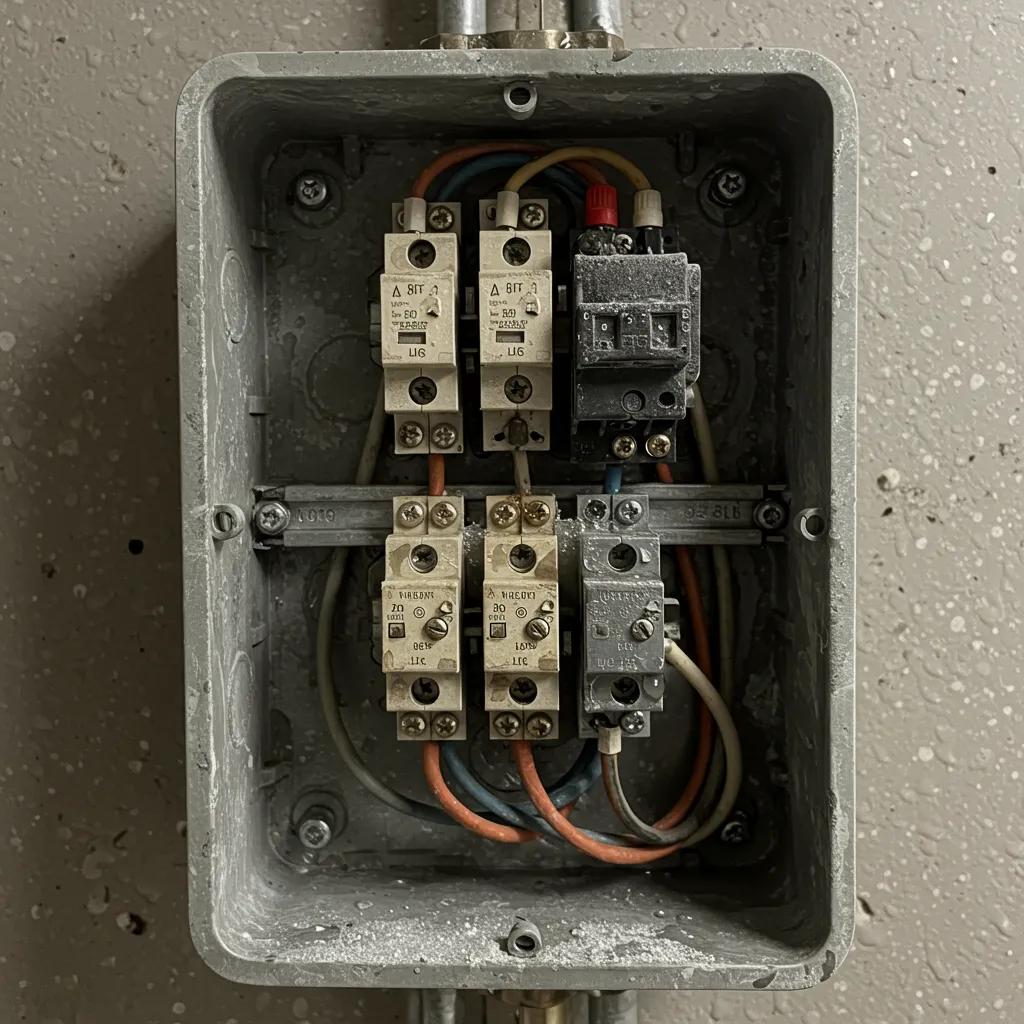
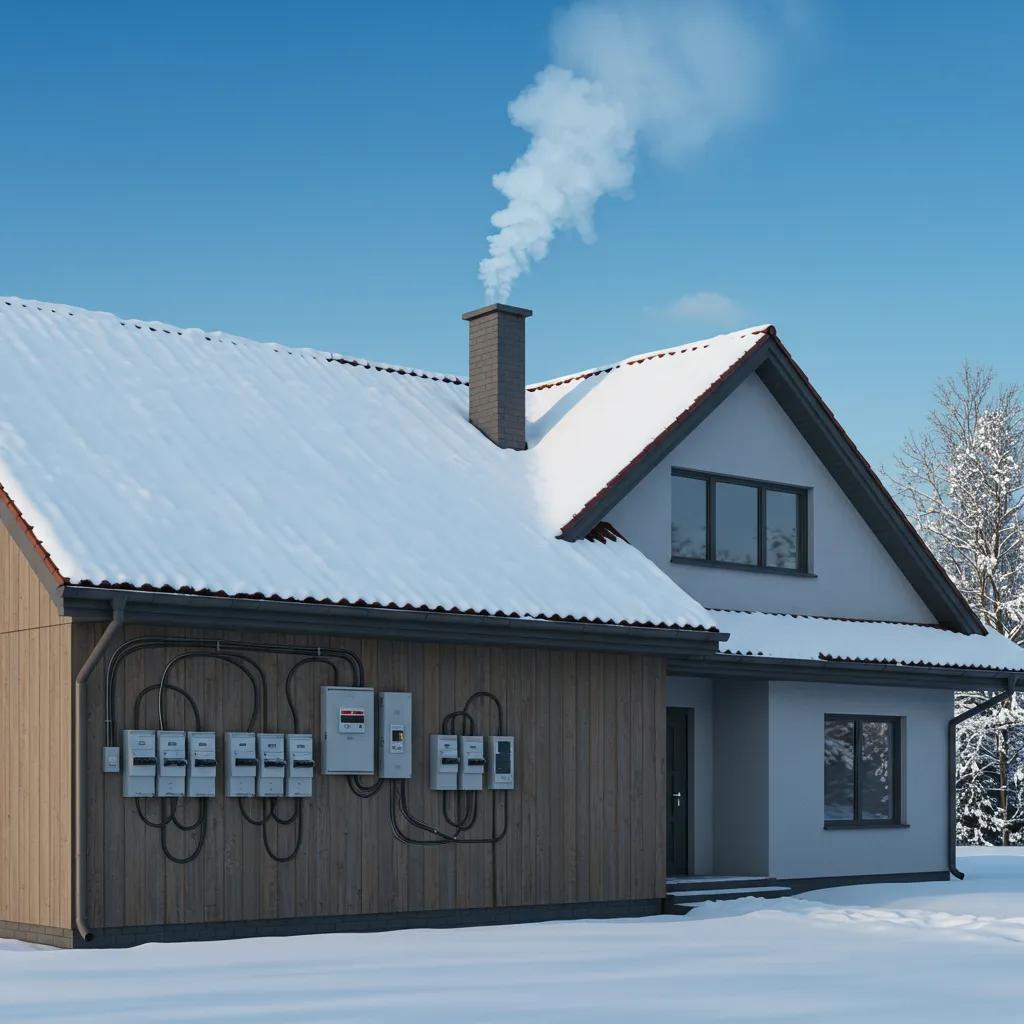
Cold outdoor air meeting warm indoor spaces creates condensation that can accumulate inside junction boxes, outdoor meter enclosures, or poorly sealed panel cabinets and then cause insulation breakdown, corrosion, or short circuits. Moisture corrodes terminals and bus bars, increasing resistance and localized heating that can prompt trips or intermittent faults; it also creates conductive paths for current that bypass insulation. Homeowners should visually inspect accessible panels for rust, water stains, or dampness and keep exterior enclosures weatherproofed to minimize condensation risk. When signs of moisture-related degradation appear, a licensed electrical professional can diagnose corrosion, perform repairs, and recommend weatherproofing or insulation changes.
Electrical Equipment in Cold Weather Applications: Reliability and Performance Considerations
Electrical equipment deployed in cold weather regions encounters distinct environmental conditions compared to equipment used in milder climates. These conditions can significantly influence the performance and reliability of the apparatus. Two primary domains of concern for products intended for cold weather operation are reliability and performance. Sub-zero temperatures can affect the material properties of electrical components, potentially escalating the risk of failure or malfunction.
Electrical equipment in cold weather applications, 2013
Can Aging or Faulty Electrical Components Cause Breaker Trips in Cold Weather?
Older breakers and legacy wiring often fail more frequently in cold conditions because material contraction, worn internal contacts, and aging insulation reduce component reliability and trip performance. Systems such as knob-and-tube, early BX, or 60-amp service panels were never designed for today’s modern loads; their components may trip unpredictably or fail to protect circuits adequately. Insurance underwriters and local codes pay attention to outdated systems, making replacement or rewiring not only a protection choice but also an underwriting consideration for homeowners. When breakers are old, exhibit slow or inconsistent tripping, or the wiring shows brittle insulation, replacement or partial/full rewiring typically becomes the recommended long-term fix.
How Do Loose Connections and Wiring Issues Trigger Breaker Trips?
Thermal cycling in cold weather causes contraction and expansion that can loosen terminal screws and connections at outlets, switches, and inside panels, leading to arcing and intermittent faults that activate breakers. Arcing generates localized heat and degraded insulation, which creates a feedback loop of worsening connection quality and more frequent trips or even visible scorch marks. Diagnosis requires measuring terminal tightness, thermal imaging, and targeted repair or replacement of affected lugs, breakers, or wiring — tasks that should be completed by a qualified electrical specialist. Repairing loose connections and replacing compromised connectors reduces arcing risk and stabilizes circuit performance throughout the winter season.
When Should Homeowners Worry About Circuit Breaker Trips in Cold Weather?
Not every trip indicates imminent danger; breakers are designed to protect circuits and can trip when doing their job under temporary higher loads. However, persistent or worsening patterns, unusual smells, visible damage, or electrical noise are red flags that require prompt action because they suggest underlying faults that could escalate to fire or equipment damage. Homeowners should learn to recognize frequency patterns, correlate trips with appliance use or weather events, and know which signs require immediate shutdown and professional response. The following subsections list the most critical warning signals and explain why outdated systems heighten risk in winter.
What Are the Warning Signs of Serious Electrical Problems?
Certain symptoms signal urgent electrical danger: a burning or acrid odor near outlets or the panel, visible scorch marks on receptacles or the breaker cabinet, or outlets and switches that are hot to the touch. Repeated, unexplained breaker trips that escalate in frequency or occur on multiple circuits indicate systemic issues like overloaded service, degraded breakers, or wiring faults. If you detect any of these signs, shut off power to affected circuits, avoid using suspect appliances, and contact an electrical professional immediately — these are not conditions to tolerate during cold weather. Rapid professional assessment can prioritize well-being, prevent fire, and document conditions relevant to insurance.
How Do Flickering Lights and Power Fluctuations Indicate Electrical Strain?
Flicker and voltage swings can be caused by intermittent high loads from heating equipment, loose neutral connections, or failing breakers that cannot maintain stable contact under changing current. This often impacts general lighting circuits, leading to noticeable dimming. If flicker happens mainly when a particular appliance cycles on or off, the culprit is often load-related; if it is widespread or accompanies buzzing noises, the problem may be in the service neutral, main breaker, or meter connections. Homeowners should log occurrences — noting time, appliance use, and weather — so a qualified technician can reproduce the issue and measure voltage under load. Documented patterns accelerate diagnosis and lead to targeted repairs such as tightening neutrals, replacing breakers, or upgrading service capacity.
Why Are Outdated Wiring and Panels a Concern in Winter?
Homes built before modern electrical codes often use wiring and panels with lower ampacity and fewer protective devices, making them vulnerable when homeowners add modern heating or electrical loads. Legacy systems like knob-and-tube or small service ratings limit safe expansion, increase trip frequency, and may lack AFCI/GFCI protection required by current code for many circuits. Insurers and underwriters may flag older systems during policy reviews, and buyers or renovators should schedule inspections before completing winter upgrades or home sales. Timely upgrades or partial rewiring balance protection, insurance acceptance, and the ability to run contemporary appliances without constant trips.
How Can Professional Electrical System Inspections Help Prevent Winter Breaker Trips?
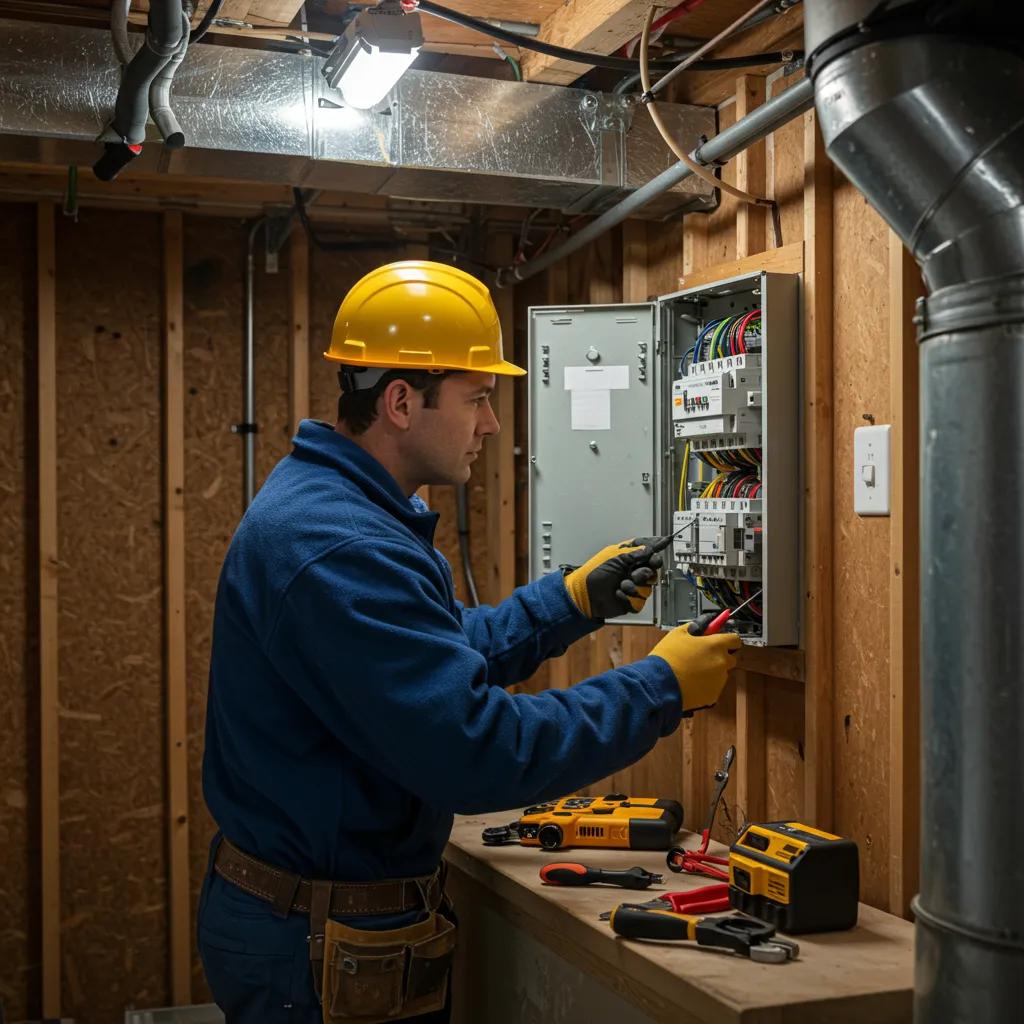
A Home Electrical System Inspection (HESI) identifies load issues, aging components, moisture intrusion, and loose connections that commonly trigger winter breaker trips, providing a prioritized roadmap for repairs and upgrades. Inspectors use diagnostic testing, visual checks, load analysis, and targeted measurements to reveal problems that are not visible to homeowners and to recommend protection-focused solutions. For older homes on the North Shore, a HESI during autumn or early winter is especially valuable because it addresses seasonal load increases before they become emergencies. The next subsections describe what a thorough HESI examines, seasonal timing reasons, and how a licensed provider ensures actionable outcomes.
What Does a Home Electrical System Inspection Include in Cold Weather?
A cold-weather HESI focuses on panel interiors, breaker operation, grounding and bonding, areas prone to condensation, and load distribution under winter heating conditions, combining visual checks with electrical testing. Inspectors will test breaker trip characteristics, verify proper grounding, inspect for corrosion or moisture in boxes and enclosures, and perform a load analysis to see whether circuits and service capacity are adequate for current winter usage. Typical findings include overloaded circuits, aged breakers, loose neutrals, and moisture-related corrosion; each finding is accompanied by a recommended next step such as tightening connections, replacing failing breakers, or installing dedicated circuits. A clear report with prioritized protection recommendations helps homeowners plan repairs that reduce trips and mitigate fire risk.
| Inspection Element | What Inspector Checks | Typical Findings / Next Steps |
|---|---|---|
| Panel & Breaker Function | Trip testing, visual corrosion check, labeling accuracy | Replace failing breakers, update labels, repair corrosion |
| Grounding & Bonding | Continuity checks, electrode condition, bonding connections | Tighten/repair bonds, improve grounding rods or connections |
| Moisture-Prone Locations | Interior of boxes, outdoor enclosures, basement panels | Seal enclosures, replace corroded parts, add insulation |
| Load Analysis | Circuit load measurement under winter use | Add dedicated circuits, balance loads, recommend panel upgrade |
This inspection table shows how a HESI systematically converts observed defects into prioritized repairs that improve winter reliability and protection.
Why Is Scheduling a Winter Electrical Inspection Important for Older Homes?
Older homes often experience the most stress during cold months because added heating loads combine with age-related degradation of wiring and protective devices, making a pre-winter inspection timely and preventative. Seasonal inspections catch issues like brittle insulation, corroded terminations, and undersized service before heavy winter use causes repeated trips or hazardous failures. Scheduling inspections before peak cold periods reduces the chance of emergency callouts, helps with insurance documentation, and allows phased repairs during more convenient weather. For homeowners in older North Shore houses, a winter-focused inspection can prioritize critical upgrades and reduce mid-season disruptions.
How Does Stag Electric’s Expertise Ensure Electrical System Reliability in North Shore MA?
Stag Electric provides licensed residential electrical services in the North Shore MA and southern NH region under Master Electrician David Briley, focusing on practical, transparent solutions for winter reliability concerns. Their Home Electrical System Inspection identifies overloaded circuits, aging breakers, moisture issues, and wiring vulnerabilities, and delivers prioritized recommendations that align with local codes and insurance considerations. Stag Electric is licensed and insured, and the team emphasizes clear communication and honest estimates so homeowners understand protection priorities and repair timelines. Homeowners can use this local expertise to convert inspection findings into targeted upgrades that reduce winter trips and long-term risk.
What Solutions Are Available to Fix and Prevent Circuit Breaker Trips in Cold Weather?
Solutions range from homeowner-level load balancing to professional interventions like panel upgrades, breaker replacement with AFCI/GFCI protection, targeted rewiring for legacy systems, and adding subpanels or dedicated circuits. Choosing the right solution depends on the root cause identified in inspection: overloads point to load management or panel upgrades, moisture issues require sealing and component replacement, and aging systems may need rewiring. Below is a comparative table summarizing common solutions, their attributes, and the expected value so homeowners can weigh options. After the table, practical steps for implementation follow, including how professional services fit into the repair sequence.
| Approach | Primary Benefit | Typical Use Case |
|---|---|---|
| Electrical Panel Upgrade | Increased amperage, space for breakers, modern protection features | Older homes with frequent trips and insufficient capacity |
| Breaker Replacement (AFCI/GFCI) | Improved arc and ground-fault protection | Circuits prone to arcing or in wet areas |
| House Rewiring | Modern conductors, safer terminations, code compliance | Knob-and-tube or deteriorated legacy wiring |
| Load Balancing / Subpanel | Redistributes demand, reduces overloads on single branches | Homes with concentrated high-draw appliances |
This comparison clarifies how each approach addresses specific failure modes — panel upgrades increase capacity, breaker replacements add protective detection, rewiring eliminates legacy hazards, and load balancing optimizes distribution.
How Do Electrical Panel Upgrades Improve Winter Electrical Performance?
Upgrading a panel increases service capacity and provides space for dedicated circuits and modern protective devices, allowing high-draw winter appliances to run without tripping existing branch breakers. A modern panel also accepts AFCI and GFCI breakers, improving detection of arcing and ground faults that often present during cold, damp conditions. This upgrade can also facilitate the integration of modern low-voltage lighting systems, often powered by more efficient transformers, reducing overall load and improving reliability. While a panel upgrade is a larger investment, it delivers long-term reliability, reduces nuisance trips, and aligns the home with current protection expectations and insurance criteria. After an upgrade, homeowners typically experience fewer overload trips and better overall stability when using heating appliances.
When Is Circuit Breaker Replacement Necessary for Cold Weather Issues?
Replace breakers when they show age-related failure signs: slow or inconsistent tripping, visible damage, buzzing, or if they lack modern protection like AFCI/GFCI where required. In many cases, converting hazardous or nuisance trips into safe operation is achieved by swapping in modern AFCI or GFCI breakers that detect arc faults or ground faults earlier than standard thermal-magnetic breakers. Replacement is a targeted, lower-cost intervention compared to full panel replacement, but it must be done by a licensed electrical professional to ensure compatibility and code compliance. Prioritizing breaker replacement for circuits with known arcing or ground-fault history significantly reduces winter electrical risk.
Why Is House Rewiring Important for Older Homes Facing Winter Electrical Problems?
Full or partial rewiring replaces degraded conductors, outdated insulation, and unsafe connections — eliminating many root causes of trips, arcing, and fire risk in older homes. Rewiring brings systems up to modern standards, allows for properly sized circuits, and provides opportunity to add AFCI/GFCI protection where required. Although more invasive, rewiring is often the only long-term solution for homes with knob-and-tube or seriously deteriorated wiring that cannot safely support modern loads. Homeowners should balance protection gains and resale value against short-term disruption when planning rewiring projects.
How Can Load Balancing Reduce Breaker Trips During Winter?
Load balancing spreads high-demand appliances across multiple circuits or phases and can involve adding subpanels, installing dedicated circuits, or simply rearranging high-draw loads to avoid concurrent peaks on a single branch. An electrical professional measures actual circuit loads under winter conditions, then recommends redistribution or new circuits to keep each branch within safe limits. Simple homeowner actions like staggered appliance use help immediately, while permanent balancing via added circuits provides durable relief. Proper load management prevents frequent trips and maximizes service uptime during the coldest months.
What Preventative Measures Can Homeowners Take to Avoid Cold Weather Electrical Problems?
Proactive steps reduce the likelihood of winter trips and make electrical systems more secure and more reliable during peak heating periods. Homeowners can start with simple load-management habits, moisture control and weatherproofing, and scheduling professional maintenance and inspections before heavy winter use. The list below offers practical, prioritized actions you can implement immediately, followed by an equipment-oriented table that links each preventative measure to recommended actions. Taking these steps early prevents emergency repairs and improves insurance standing for older homes.
- Immediate homeowner actions to reduce winter electrical risk: Spread out heating devices: Avoid running multiple high-draw appliances on the same circuit. Weatherproof enclosures: Seal and insulate exterior boxes and panel penetrations to limit condensation. Monitor and document: Keep a log of trips, flicker, and appliance use to help diagnosis.
These straightforward actions reduce trip frequency and provide useful data for electrical professionals to scope repairs. When simple measures are insufficient, professional upgrades become the next necessary step.
| Preventative Focus | Recommended Action | How to Implement |
|---|---|---|
| Load Balancing | Shift usage, add circuits, install subpanels | Stagger appliance schedules; hire electrical professional for new circuits |
| Moisture Control | Seal, insulate, install weatherproof boxes | Apply gaskets, vent basements, install outdoor-rated enclosures |
| Scheduled Maintenance | Annual inspections, tighten connections | Book HESI; address prioritized repairs promptly |
How Can You Balance Electrical Loads to Prevent Overloads?
Balancing loads starts with identifying which appliances draw the most current and when they run concurrently, then implementing scheduling or circuit changes to prevent simultaneous peaks. Simple strategies include moving portable heaters to separate circuits, avoiding vacuuming while running space heaters, and staggering laundry and oven use. If household demand exceeds safe limits repeatedly, a qualified professional can install dedicated circuits, add subpanels, or upgrade the main service to provide adequate capacity. These measures reduce thermal stress on breakers and wiring, minimizing trips and improving overall system longevity.
What Steps Help Address Moisture and Condensation in Electrical Systems?
Seal gaps around panel doors and exterior penetrations, insulate cold surfaces near electrical enclosures, and add ventilation or dehumidification to basements and crawlspaces to reduce condensation risk. Weatherproof outdoor receptacles and fit proper gaskets in junction boxes to keep moisture out of critical connections. For existing corrosion or water intrusion, a professional should replace compromised components and recommend long-term remediation such as improved drainage or insulation. Addressing moisture proactively prevents corrosion-driven trips and prolongs the usable life of electrical components.
Why Is Regular Electrical Maintenance Critical During Winter Months?
Regular maintenance identifies loose connections, failing breakers, and load imbalances before they cause repeated trips or hazardous conditions during peak winter use. Scheduled inspections reduce the probability of emergency service calls, lower repair costs by enabling phased remediation, and support insurance documentation by demonstrating proactive care. A maintenance routine typically includes visual panel checks, thermal imaging for hot spots, tightening of terminations, and load testing under realistic conditions. Investing in regular maintenance pays off through fewer interruptions and greater confidence in home protection throughout the cold season.
Why Choose Stag Electric for Winter Electrical System Reliability and Repairs in North Shore MA?
Stag Electric focuses on residential electrical protection and repairs across North Shore MA and southern NH, offering practical diagnostics and clear recommendations tailored to winter problems common in local housing stock. Operated by Master Electrician David Briley, the company provides electrical panel upgrades, circuit breaker replacement, house rewiring, and Home Electrical System Inspections that address overloads, moisture, and aging infrastructure. Stag Electric is licensed and insured, emphasizes transparent estimates and honest service, and offers a Home Electrical Assessment to help homeowners prioritize protection. Choosing a local licensed team ensures repairs meet regional expectations and supports faster response during urgent winter issues.
What Makes Stag Electric the Trusted Choice for Cold Weather Electrical Issues?
Stag Electric’s Master Electrician leadership and local focus mean inspections and repairs consider North Shore climate patterns, older home construction types, and common seasonal failure modes. The company emphasizes straightforward communication — “No Games. No Surprises. Just Honest Service.” — so homeowners receive clear, prioritized plans rather than overblown proposals. Local experience helps technicians recognize patterns like knob-and-tube vulnerabilities or typical condensation-prone installations and address them efficiently. For homeowners seeking a reputable, local electrical specialist who understands winter-specific risks, Stag Electric’s approach combines technical competence with practical guidance.
How Does Transparent Pricing and Electrical Assessments Provide Peace of Mind?
A Home Electrical Assessment gives homeowners a low-friction way to identify winter risks, receive a documented list of findings, and obtain transparent next-step recommendations without immediate financial commitment. The assessment includes visual inspection, basic load discussion, and protection prioritization so homeowners know which repairs are urgent and which can be planned. Transparent estimates and documented findings simplify conversations with insurers and support informed decisions about timing and scope of work. For many homeowners, the assessment turns uncertainty about breaker trips into a clear plan for improved protection and reliability.
Stag Electric Contact: (978) 780-3040 • 978electrician@gmail.com Contact
Frequently Asked Questions
What should I do if my circuit breaker keeps tripping in cold weather?
If your circuit breaker is tripping frequently during cold weather, first identify any patterns related to appliance use or specific weather conditions. Avoid running multiple high-draw devices on the same circuit. If the problem persists, document the occurrences and contact a licensed electrical professional for a thorough inspection. They can assess for underlying issues such as moisture, loose connections, or aging components that may require repair or replacement.
How can I tell if my electrical system is outdated?
Signs of an outdated electrical system include frequent circuit breaker trips, flickering lights, and the presence of old wiring types like knob-and-tube or aluminum wiring. Additionally, if your home has a service panel rated below 100 amps, it may not support modern electrical loads. If you suspect your system is outdated, consider scheduling a Home Electrical System Inspection to evaluate its condition and receive recommendations for upgrades.
What are the risks of ignoring circuit breaker trips in winter?
Ignoring circuit breaker trips can lead to serious risks, including electrical fires, equipment damage, and potential injury. Frequent trips may indicate underlying issues such as overloaded circuits, moisture intrusion, or failing components. These problems can escalate if not addressed, leading to more severe electrical failures. It’s crucial to take any trip seriously and consult a licensed electrical professional to ensure your home remains secure and compliant with electrical codes.
Can I perform my own electrical inspections at home?
While homeowners can perform basic visual inspections, such as checking for visible damage or moisture around electrical panels, comprehensive electrical inspections should be conducted by licensed professionals. These specialists have the expertise and tools to identify hidden issues, perform load testing, and ensure compliance with protection standards. If you notice any signs of trouble, such as frequent trips or unusual smells, it’s best to call a qualified electrical specialist for a thorough assessment.
What preventative measures can I take to reduce winter electrical issues?
To minimize winter electrical issues, homeowners can implement several preventative measures. Start by spreading out the use of high-draw appliances across different circuits. Weatherproof outdoor electrical enclosures to prevent moisture buildup, and schedule regular electrical inspections to catch potential problems early. Additionally, keeping a log of any electrical issues can help identify patterns and inform your electrical professional during inspections.
How often should I schedule electrical inspections for my home?
It’s advisable to schedule electrical inspections at least once a year, especially before winter. Annual inspections help identify potential issues such as aging components, moisture intrusion, and load imbalances that could lead to circuit breaker trips. For older homes or those with a history of electrical problems, more frequent inspections may be necessary. Regular maintenance ensures your electrical system remains secure and reliable throughout the year.
What should I look for during a visual inspection of my electrical system?
During a visual inspection, check for signs of wear or damage, such as frayed wires, scorch marks on outlets, or rust around electrical panels. Look for moisture accumulation in junction boxes or enclosures, which can indicate potential corrosion issues. Ensure that all connections are tight and secure. If you notice any abnormalities, it’s important to contact a licensed electrical professional for a more detailed evaluation and necessary repairs.
Conclusion
Understanding the causes of circuit breaker trips in cold weather empowers homeowners to take proactive measures for protection and reliability. By addressing issues like increased electrical loads, moisture, and aging components, you can significantly reduce the risk of electrical failures during winter months. Regular inspections and targeted upgrades not only enhance system performance but also ensure compliance with protection standards. Schedule your Home Electrical System Inspection today to safeguard your home against winter electrical hazards.