Winter Storm Electrical Safety Guide for Seacoast Homeowners: Prepare, Protect, and Recover Safely
Winter storms can pose significant risks to homeowners, particularly regarding electrical safety. Understanding how to prepare your electrical systems, respond during storms, and assess damage afterward is crucial for ensuring safety and minimizing risks. This guide aims to equip Seacoast homeowners with essential knowledge about electrical safety during winter storms, focusing on preparation, immediate actions, and recovery processes. By following these guidelines, you can protect your home and family from electrical hazards associated with severe weather.
In this article, we will cover how to prepare your electrical systems before winter storms, the best surge protection and backup power solutions, immediate safety actions during storms, how to identify and address electrical damage afterward, and navigating insurance and recovery for storm-related electrical damage.
How Can Seacoast Homeowners Prepare Their Electrical Systems Before Winter Storms?
Seacoast homeowners can prepare their electrical systems before winter storms by: residential services.
- Scheduling Regular Electrical Inspections: Have a licensed electrician evaluate your entire electrical system to identify potential hazards, code violations, and areas needing upgrades.
- Documenting Electrical Issues: Keep a record of any electrical problems you’ve noticed, such as flickering lights or burning smells, to assist the electrician during assessments.
- Ensuring Clear Access: Make sure there is clear access to the electrical panel, outlets, and visible wiring areas for emergency responders.
- Understanding Wiring Types: Be aware of the type of wiring in your home and its lifespan. Consider upgrading outdated wiring to improve safety and efficiency.
- Knowing Emergency Procedures: Familiarize yourself with emergency procedures for electrical hazards, such as shutting off the power at the circuit breaker if you notice signs of trouble.
- Addressing Immediate Concerns: If you notice any urgent issues, such as burning smells or frequently tripped breakers, turn off the affected circuit and contact a licensed electrician immediately.
By taking these steps, homeowners can enhance the safety and reliability of their electrical systems during winter storms.
What Are the Benefits of Professional Home Electrical Safety Inspections?
The benefits of professional home electrical safety inspections include:
- Identification of Hazards: Inspections help uncover potential fire hazards, code violations, and areas needing rewiring or upgrades, ensuring the electrical system operates safely and efficiently.
- Proactive Maintenance: Regular inspections allow homeowners to address issues like outdated wiring or overloaded circuits before they escalate into costly repairs or safety risks.
- Comprehensive Evaluation: Experienced electricians conduct thorough assessments of the entire electrical system, from the service panel to outlets and visible wiring, identifying specific concerns.
- Safety Reports: A detailed safety report provides findings, photographic evidence, and prioritized recommendations for immediate hazards and long-term upgrades, aiding in safety planning and cost forecasting.
- Informed Decision-Making: Understanding the condition and lifespan of different wiring types helps homeowners make informed decisions about upgrades or replacements.
- Emergency Preparedness: Inspections can help homeowners prepare for electrical emergencies by identifying potential risks and ensuring clear access to electrical panels and affected areas.
- Increased Property Value: Upgrading to modern wiring improves safety and can enhance the attractiveness of the home to potential buyers.
Further emphasizing the importance of regular assessments, research highlights concerns regarding the safety of domestic electrical installations and the need for proper testing and verification.
Home Electrical Safety: Installation, Testing & Verification
Current literature indicates that the poor condition of domestic electrical installations throughout Europe has raised concerns in respect of the safety of the owner/occupier. This study addresses: • The quality of Domestic electrical installations, periodic testing, inspection and verification • The Rules and regulations as developed by relevant stake holder s within the sector and enforced by the statutory bodies • Testing requirements in domestic electrical installations which underpin safety for the occupier.
An Audit in respect of the Electrical Safety Implications for Domestic Electrical Installations, 2012
How Do Electrical Panel Upgrades Enhance Storm Resilience?
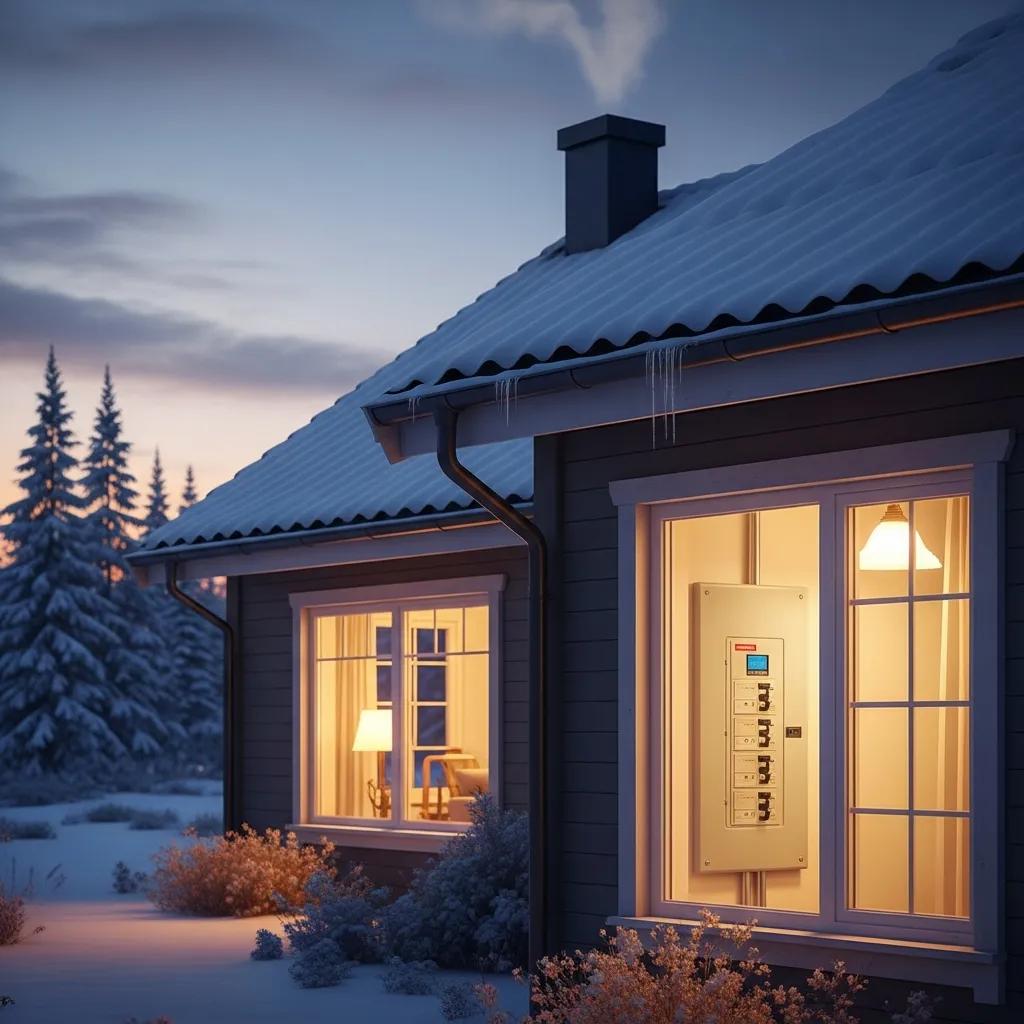
Electrical panel upgrades enhance storm resilience by improving the capacity and safety of your electrical system. Upgrading to a modern panel can accommodate increased electrical loads, which is essential during power outages when backup systems may be in use. Additionally, newer panels often include advanced safety features that protect against surges and overloads, reducing the risk of electrical fires during storms. Compliance with current electrical codes also ensures that your home is better equipped to handle severe weather conditions.
What Are the Best Surge Protection and Backup Power Solutions for Winter Storms?
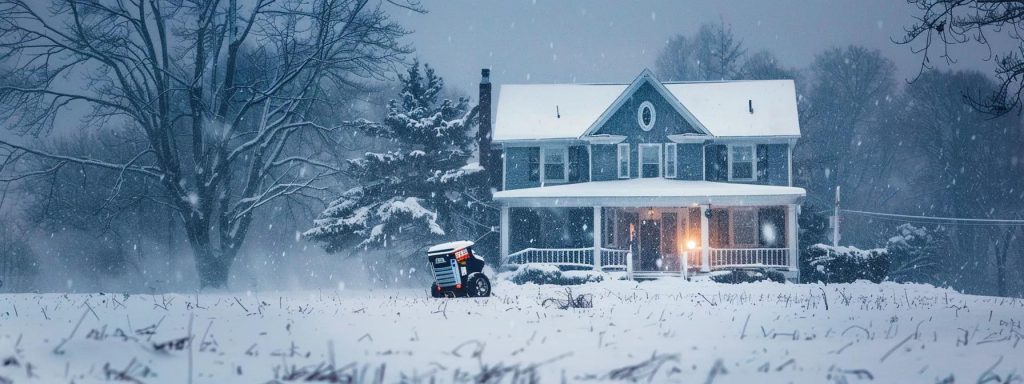
When preparing for winter storms, homeowners should consider surge protection and backup power solutions to safeguard their electrical systems.
- Whole-House Surge Protection: This system protects all electrical devices in your home from voltage spikes caused by lightning or power surges. It is installed at the electrical panel and can prevent costly damage to appliances and electronics.
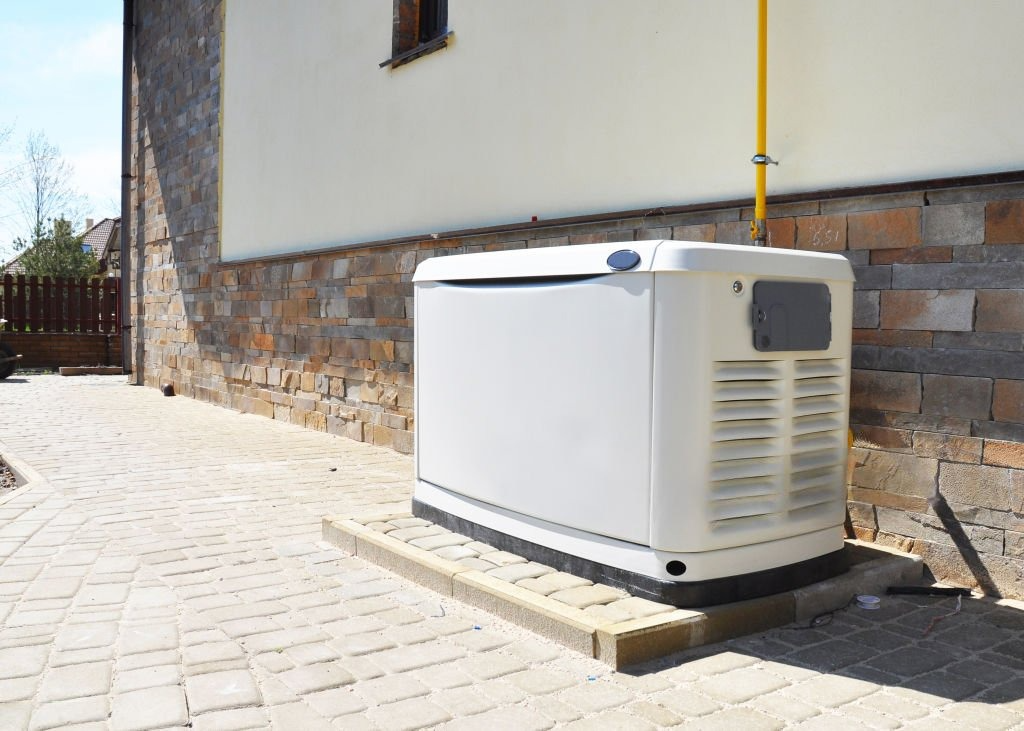
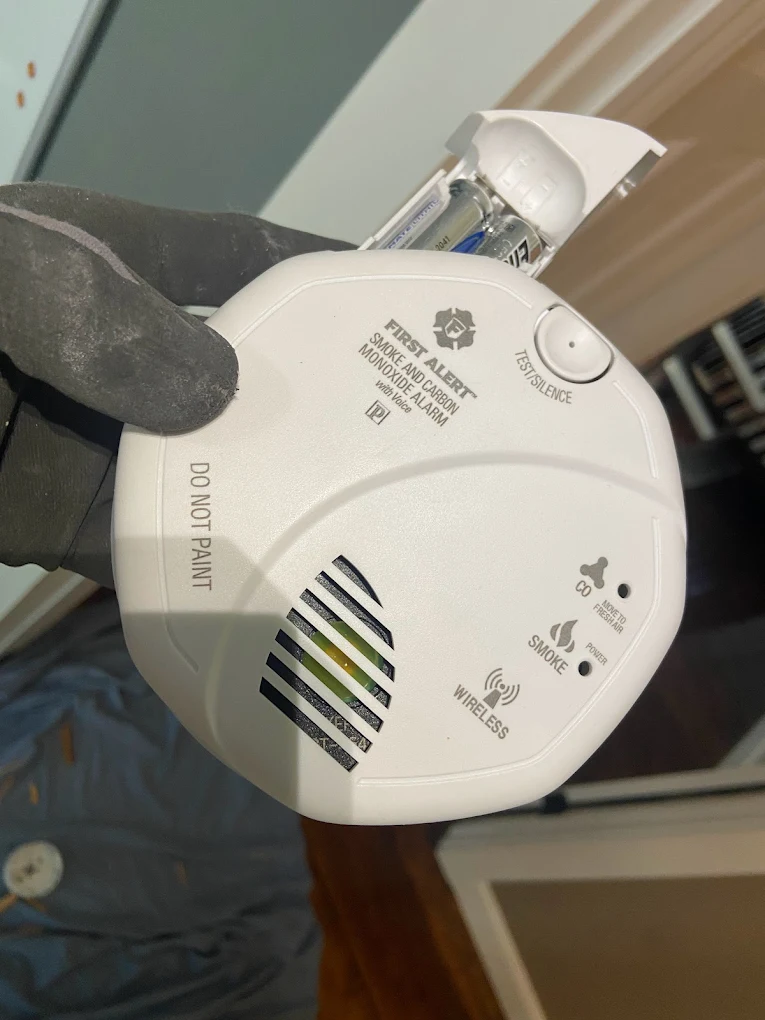
- Portable Generators: These provide backup power during outages, allowing homeowners to keep essential appliances running. It’s crucial to follow safety guidelines for installation and use to prevent carbon monoxide poisoning and electrical hazards.
- Transfer Switches: A transfer switch allows you to safely connect a generator to your home’s electrical system, ensuring that power is distributed correctly and safely during an outage.
| Surge Protection Type | Description | Benefits |
|---|---|---|
| Whole-House Surge Protection | Installed at the electrical panel to protect all devices | Prevents damage from voltage spikes |
| Portable Generators | Provides backup power during outages | Keeps essential appliances running |
| Transfer Switches | Safely connects a generator to the home’s electrical system | Ensures safe power distribution |
By investing in these solutions, homeowners can enhance their electrical safety and reliability during winter storms.
What Immediate Electrical Safety Actions Should Be Taken During a Winter Storm?
During a winter storm, if you notice signs of electrical problems such as burning smells, smoke, or sparks, you should take the following immediate safety actions:
- Shut off the power at the circuit breaker: This prevents further damage and reduces the risk of electrical fires.
- Evacuate the area if necessary: If there are signs of smoke or fire, prioritize your safety and that of your family.
- Document any issues encountered: Keeping a record can assist professionals in assessing the situation later.
- Ensure clear access to the electrical panel and affected areas for emergency responders: This facilitates a quicker response.
- Contact a licensed electrician for emergency service without delay: Professional help is crucial in addressing electrical hazards.
These steps can help minimize damage and ensure safety.
What Steps Should You Follow During a Power Outage to Prevent Damage?
During a power outage, you should follow these steps to prevent damage:
- Document Issues: Keep a record of any electrical problems you notice.
- Shut Off Power: If you notice signs of electrical problems (like burning smells or flickering lights), turn off the affected circuit at the electrical panel.
- Clear Access: Ensure that emergency responders have clear access to the electrical panel and affected areas.
- Contact a Professional: If necessary, contact a licensed electrician for emergency service without delay.
- Evacuate if Needed: If there are signs of fire hazards, evacuate the area immediately.
Having a plan in place for electrical emergencies can help ensure the safety of your household.
How Can You Safely Use Portable Generators and Space Heaters?
Using portable generators and space heaters safely is essential during winter storms. Here are some tips: generator installation
- Proper Placement: Always place generators outdoors, away from windows, doors, and vents, to prevent carbon monoxide buildup indoors.
- Ventilation Needs: Ensure that space heaters are used in well-ventilated areas and kept away from flammable materials.
- Usage Guidelines: Follow the manufacturer’s instructions for both generators and heaters, including proper fuel storage and maintenance.
By adhering to these safety guidelines, homeowners can effectively use backup power sources without compromising safety.
The critical need for understanding and mitigating electrical hazards, especially those related to portable generators and carbon monoxide, is underscored by ongoing research.
Household Electrical Hazards & Safety Measures
ABSTRACT: Understanding electrical hazards and implementing safety measures is paramount to protecting lives and property. Therefore, this research investigates electrical hazards in households and safety measures taken by residents in Sokode-Etoe, Ghana. The primary objective is to identify gaps in knowledge regarding electrical hazards among domestic electricity consumers and offer recommendations to enhance safety and mitigate the risks.
… and The Hazards of Portable Electricity Generator Use: A Study of Awareness and Knowledge of Carbon Monoxide Poisoning Among Resident Nigerian Public …, AN Adum, 2019
How Should Homeowners Identify and Address Electrical Damage After a Winter Storm?
Homeowners should identify and address electrical damage after a winter storm by following these steps: electrical service upgrades.
- Look for Signs of Electrical Problems: Check for flickering lights, burning smells, or tripped circuit breakers. These can indicate issues that need immediate attention.
- Shut Off Affected Circuits: If you notice any signs of electrical problems, turn off the affected circuit at the electrical panel to prevent further damage or hazards.
- Document Issues: Keep a record of any problems you encounter, including when and where they occur. This information will be helpful for a professional assessment.
- Clear Access for Assessment: Ensure that the electrical panel and affected areas are easily accessible for a licensed electrician.
- Schedule a Professional Assessment: Contact a licensed electrician, such as Stag Electric, to conduct a thorough evaluation of your electrical system. They will check for hazards, code violations, and areas needing repairs or upgrades.
- Follow Emergency Procedures: If you notice severe issues like burning smells or smoke, evacuate the area and call for emergency services.
By taking these steps, homeowners can effectively address potential electrical damage and ensure their safety.
What Are the Signs of Electrical Damage to Look for Post-Storm?
The signs of electrical damage to look for post-storm include:
- Flickering or dimming lights across multiple rooms, which may indicate voltage irregularities.
- A persistent burning smell near outlets, switches, or the electrical panel, or visible discoloration on receptacles, signaling overheating or insulation failure.
- Frequently tripped circuit breakers or blown fuses, which can suggest circuit overloads, shorts, or failing components.
- Hot outlets or switches, or buzzing sounds from switches, indicating loose connections or overloaded circuits.
- Ungrounded two-prong outlets or frequent small shocks from outlets, which may require grounding or rewiring.
If you notice any of these signs, it is recommended to stop using the affected circuits and contact a licensed electrician immediately.
When Is It Necessary to Call a Licensed Electrician for Repairs?
It is necessary to call a licensed electrician for repairs when you notice signs of electrical problems such as flickering lights, a burning smell near outlets, or frequently tripped circuit breakers. If you experience a burning smell or see discoloration on outlets, you should stop using that circuit and call an electrician immediately. For persistent issues like flickering lights or circuit overloads, it’s important to schedule a professional assessment to identify the root cause.
How Can Homeowners Navigate Insurance and Recovery for Storm-Related Electrical Damage?
Homeowners can navigate insurance and recovery for storm-related electrical damage by following these steps:
- Document Issues: Record any electrical problems encountered during the storm, including signs like flickering lights, burning smells, or tripped breakers.
- Ensure Safety: If you notice any immediate hazards, such as burning smells or hot outlets, shut off the affected circuit at the electrical panel and evacuate if necessary.
- Clear Access: Make sure there is clear access to the electrical panel and affected areas for emergency responders and electricians.
- Schedule an Assessment: Contact a licensed electrician, such as Stag Electric, to conduct a thorough assessment of your electrical system. They will provide a detailed report with prioritized recommendations.
- Use the Assessment Report: The electrical safety report can help in discussions with your insurance provider by documenting the condition of your electrical system and outlining necessary repairs.
- Follow Recommendations: Implement the recommended repairs or upgrades to ensure safety and compliance with electrical codes.
By taking these steps, homeowners can effectively manage the recovery process and ensure their electrical systems are safe and functional after a storm.
What Documentation Is Needed for Electrical Damage Insurance Claims?
For electrical damage insurance claims, the necessary documentation includes:
- Detailed Documentation of Issues: Record any electrical problems encountered, including observations of flickering lights, burning smells, or tripped breakers.
- Access to Electrical Panel and Affected Areas: Ensure clear access for emergency responders and assessors.
- Electrical Safety Report: A comprehensive report from a licensed electrician, such as Stag Electric, which includes findings, photographs, and prioritized recommendations for repairs or upgrades.
- Documentation of Recent Electrical Work: Note any recent electrical work done in the home to assist the assessor.
This documentation helps in evaluating the condition of the electrical system and provides clear next steps for remediation.
How Does Professional Electrical Work Affect Insurance Outcomes?
Professional electrical work can significantly influence insurance outcomes by providing thorough documentation of the condition of the electrical system and any necessary repairs. High-quality work performed by licensed electricians can demonstrate compliance with safety standards, which may positively impact insurance claims. Additionally, having a detailed safety report can facilitate discussions with insurance providers, ensuring that claims are processed efficiently and accurately.
Why Choose Stag Electric for Winter Storm Electrical Safety in the Seacoast Region?
You should choose Stag Electric for winter storm electrical safety in the Seacoast Region because they specialize in thorough electrical assessments, ensuring safety and efficiency. Their licensed master electricians, led by David Briley, provide detailed evaluations and prioritize repairs, helping to identify potential hazards and code violations. Stag Electric offers a comprehensive 100+ point safety assessment, which includes a prioritized report with recommendations for immediate hazards and long-term upgrades. Their commitment to safety, high-quality workmanship, and transparent communication ensures that your home’s electrical system meets modern safety standards, providing peace of mind during winter storms.
What Local Expertise and Experience Does Stag Electric Offer?
Stag Electric offers local expertise and experience through its licensed and insured electricians who prioritize safety, quality, and respect. They provide a range of services including new lighting installations, panel upgrades, and troubleshooting. Their team adheres to stringent safety protocols and industry standards, ensuring high-quality workmanship and a commitment to customer satisfaction. Stag Electric emphasizes transparent communication, thorough assessments, and a professional approach to every project, aiming to build lasting relationships with clients in the Massachusetts and New Hampshire areas.
How Does Stag Electric Ensure Safety, Quality, and Customer Satisfaction?
Stag Electric ensures safety, quality, and customer satisfaction by adhering to stringent safety protocols and industry standards, maintaining a licensed and insured status for peace of mind. They focus on high-quality workmanship through skilled electricians trained in various electrical tasks, emphasizing attention to detail and excellence in service.
Their process includes a thorough assessment of electrical needs, transparent communication, and a clean work environment to minimize disruptions. After completing a project, they conduct a final inspection to ensure high standards are met. Stag Electric also prioritizes building trust with clients through professionalism, ongoing training, and a commitment to customer satisfaction.