Electrical Panel Capacity for EV Charger: Your Trusted Guide to Expert Panel Upgrades for Tesla & 200 Amp Installations in North Shore MA
For EV owners, understanding your home’s electrical panel is crucial for safely installing a Level 2 charger. This guide explains when a 200 amp upgrade is necessary and how Stag Electric offers transparent assessments for North Shore MA homes. Schedule a free assessment for a clear, no-surprise plan, covering panel capacity, upgrade needs, and alternatives.
Why Is Electrical Panel Capacity Essential for EV Charger Installation?
Your electrical panel’s capacity is crucial for safely installing a new EV charging station. Level 2 chargers require a dedicated 30–60A 240V circuit, classified as a continuous load under the National Electrical Code (NEC), requiring calculation at 125% of its rating (e.g., a 40A charger needs a 50A breaker). Insufficient capacity risks frequent trips, overheating, or insurance violations. Research highlights residential panel capacity as a significant barrier to widespread EV adoption and decarbonization targets. Upgrading mitigates these risks, ensuring safe operation and supporting future electrification.
Impact of Level 2 EV Chargers on Panel Load
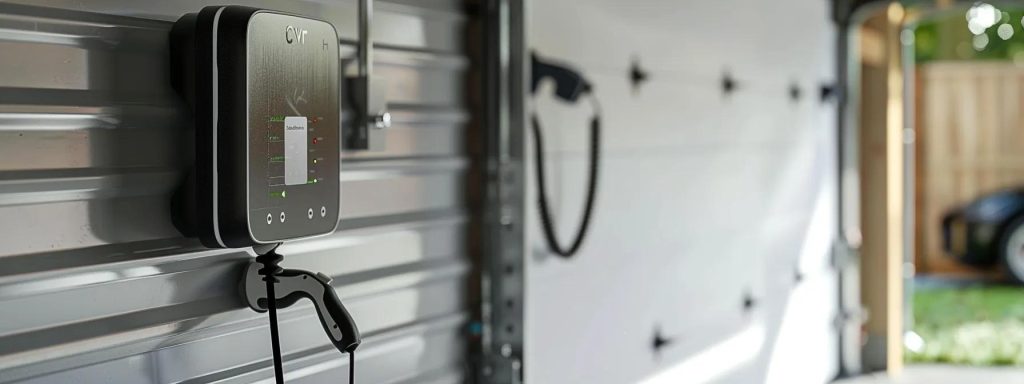
Level 2 chargers draw 240V power, typically requiring 30–60 amps. Due to NEC continuous load rules, breakers and conductor ampacity are sized 25% higher than the charger’s continuous current. Adding a 40A continuous charging circuit to a home with limited spare capacity can consume most remaining headroom on a 100A service. A professional load calculation predicts worst-case simultaneous demand, indicating whether a 200A upgrade, subpanel, or load management solution is needed.
How to Choose Between a 100 Amp and 200 Amp Panel for Your EV Charger?
Choosing between 100A and 200A service depends on your current household load, anticipated EV charging amperage, and future electrification plans. While a 100A service can sometimes accommodate a lower-power Level 2 charger with load management, it offers limited headroom. A 200A service provides significantly more continuous capacity, additional breaker slots, and room for future upgrades, making it an investment in your home’s long-term electrical infrastructure.
| Panel Type | Max Continuous Load (typical) | Typical Suitability for EV Charge | Future Expansion Potential |
|---|---|---|---|
| 100 Amp Service | ~80–90A usable after load factors | May support a single low-amperage Level 2 charger with load management; limited headroom | Very limited; often requires careful load balancing or compromises for new appliances. |
| 200 Amp Service | ~160–170A usable after load factors | Recommended for high-amperage chargers, faster charging, multiple EVs, and future electrification | Excellent; ample space for additional circuits, smart home devices, and future energy upgrades. |
| Subpanel (fed from main) | Depends on main service capacity | Useful for circuit organization; does not increase main service capacity if service is limiting | Good for localized expansion (e.g., garage), but constrained by the main panel’s capacity. |
200 Amp Panel for Tesla & High-Power EV Chargers
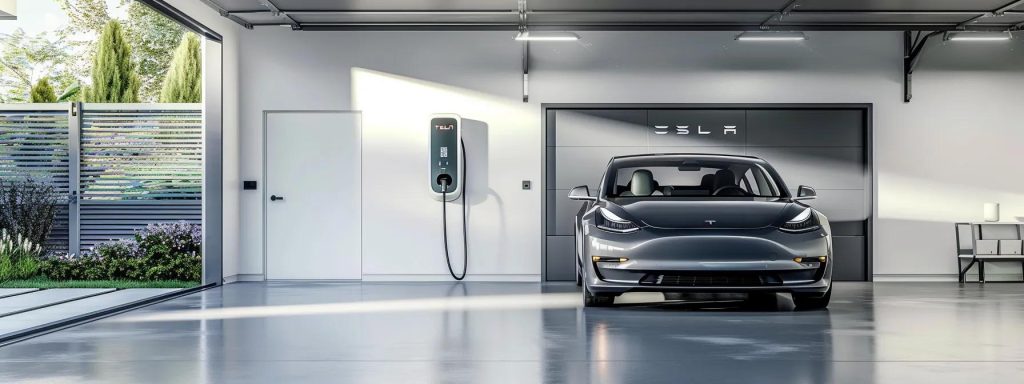
Tesla Wall Connector installations and similar high-power Level 2 EVSEs require circuits in the 40–80A range, aligning more effectively with a 200A service for headroom and future expansion. This prevents pushing the main service to its limits during simultaneous heavy-use events, allowing faster charging (e.g., 48A continuous, requiring a 60A circuit). Final recommendations always begin with a professional onsite load calculation.
What Are the Signs Your Older Home Needs an Electrical Panel Upgrade for EV Charging?
Older homes often show signs that the panel and service may be undersized or unsafe for modern EV charging. Frequent breaker trips, hot or discolored outlets, flickering lights, and limited or fully occupied breaker slots are clear red flags. Age-related indicators—such as panels and wiring typical before 1970, knob-and-tube wiring, or 60A main services—also suggest potential upgrade needs. Many older panels (e.g., Federal Pacific Electric, Zinsco) have design flaws. Recognizing these signs early can prevent unsafe installations and reduce the risk of insurance complications. Use the homeowner-friendly checklist below.
- Monitor for frequent circuit trips when multiple loads are running at the same time.
- Be alert for any burning smells, warm outlets, or discoloration around the panel.
- Check if there are no spare breaker spaces or if the panel utilizes outdated fusing or wiring types.
- Observe if lights dim or flicker when large appliances turn on.
- Feel the panel cover; if it’s warm to the touch, it suggests internal components are overheating.
After this checklist, homeowners can determine whether to schedule a licensed inspection to confirm wiring condition and calculate load capacity. Addressing these issues proactively is crucial for safety and functionality.
Outdated Wiring & Panel Age Impact
Outdated wiring types like knob-and-tube or cloth-insulated conductors may not support the ampacity required for a modern Level 2 charger without extensive rewiring. Older panels might also lack modern grounding, AFCI/GFCI protection, or sufficient physical space for dedicated 240V circuits. A professional assessment identifies deficiencies and outlines solutions to ensure compliance and safe EV charging capability.
What Are Tesla EV Charger Electrical Requirements and Installation Considerations?
Tesla Wall Connectors and other Level 2 EVSEs require a dedicated 240V circuit sized for continuous load, appropriate breaker and conductor sizing, and placement that minimizes voltage drop. A 48A continuous charging configuration needs a 60A breaker. Choosing between a NEMA 14-50 outlet or a hardwired Wall Connector involves weighing portability against performance and code considerations.
NEMA 14-50 Outlet vs. Hardwired Installation
A NEMA 14-50 outlet offers portability but is typically limited to 40A continuous charging (requiring a 50A breaker). Hardwired Wall Connectors offer a cleaner, often higher-amperage installation (e.g., 48A continuous) that integrates better with the panel and adheres to code. For homeowners planning long-term EV ownership, a hardwired Wall Connector is usually the better investment.
How Does the Electrical Panel Upgrade Process Work with Stag Electric?
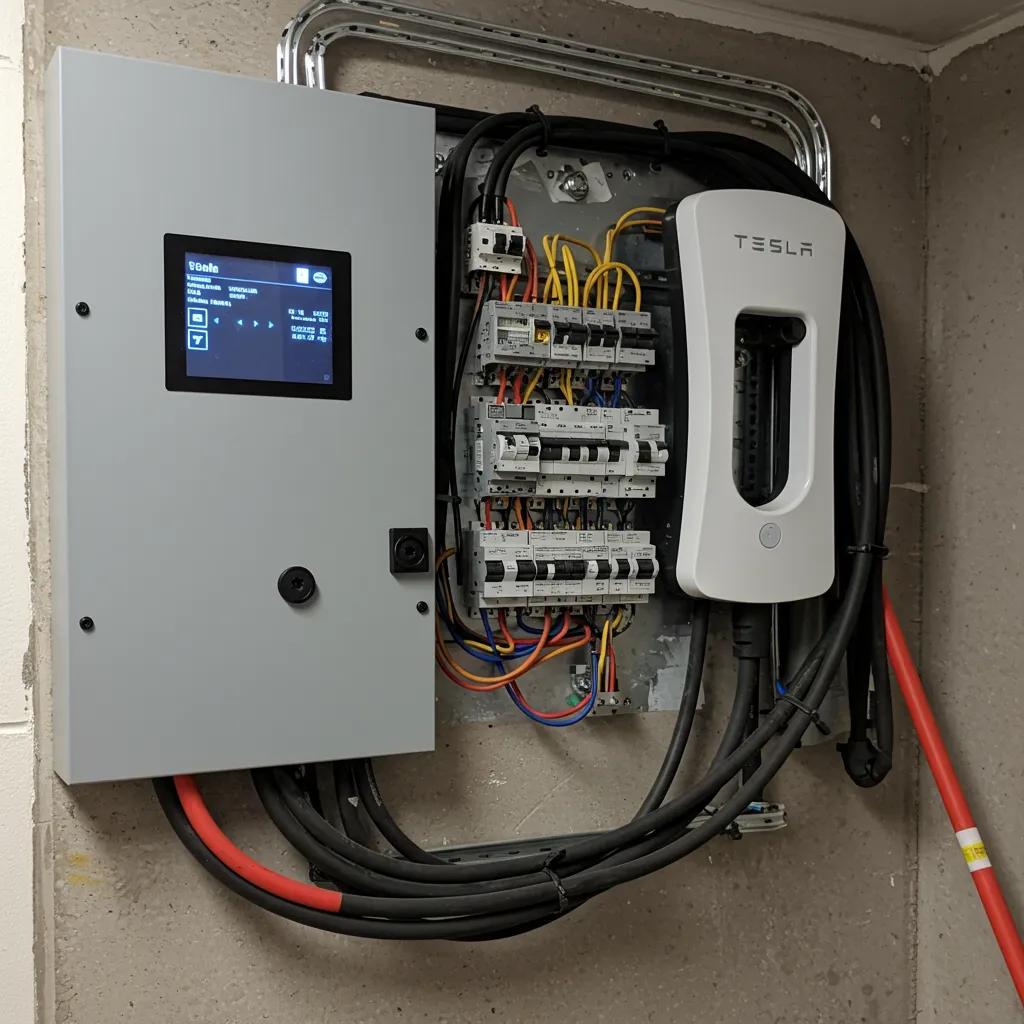
Stag Electric follows a structured, step-by-step process to alleviate homeowner uncertainty, including a free assessment, permit handling, licensed installation, inspection coordination, and post-install testing. Our organized workflow mitigates fears about hidden costs and safety. For more details, check our residential services.
- **Free onsite assessment and professional load calculation** to determine requirements.
- **Permit preparation and submission** handled by professionals.
- **Scheduled installation with licensed professionals**, including panel replacement or meter updates.
- **Final municipal inspection and post-installation testing** to confirm safe operation.
Stag Electric's Safety & Code Compliance
Stag Electric prioritizes safety through licensed workmanship, code-compliant installation practices, and thorough testing. Our technicians utilize a 100+ point safety inspection approach, verifying grounding, bonding, breaker torque, and protective devices. With MA Master Electrician #23397-A and NH State Electrical Corporation License #15353, we efficiently navigate MA and NH permitting, alleviating concerns about safety, insurance, and unexpected costs.
What Alternatives Exist to a Full Electrical Panel Upgrade for EV Charging?
When a full service upgrade is unnecessary or cost-prohibitive, several alternatives can enable safe EV charging. Load management systems dynamically limit charger output; subpanels can reorganize circuits; and lower-amperage chargers or scheduled charging can reduce simultaneous demand. These solutions offer flexibility and can be excellent interim or permanent options.
| Solution | Typical Amp Impact | When Appropriate | Considerations |
|---|---|---|---|
| Load Management Device | Reduces simultaneous draw by 10–40A | When main service is borderline but panel space exists, and charging flexibility is acceptable. | May result in slower charging during peak household electricity use. Requires careful installation and programming. |
| Subpanel Installation | Adds breaker capacity without increasing main service | When main service is adequate but local distribution needs reorganization (e.g., garage far from main panel). | Does not increase overall home capacity; only redistributes existing capacity. |
| Lower-Amperage Charger / Scheduled Charging | Lowers continuous draw (e.g., 16–32A) | When cost is a limitation and charging time flexibility exists (e.g., overnight charging). | Slower charging times, potentially requiring longer charging sessions. |
| Level 1 Charging | ~12A (120V) | For very low daily mileage or as a temporary solution. | Extremely slow charging; often impractical for daily EV use. No panel upgrade typically needed. |
Why Choose Stag Electric for Your Electrical Panel Upgrade and EV Charger Installation?
Stag Electric is a trusted local partner for homeowners in North Shore MA, emphasizing transparent assessments, safety-first installations, and clear documentation. We hold licensed credentials—MA Master Electrician #23397-A and NH State Electrical Corporation License #15353—and prioritize workmanship guarantees, quick response times, and experience with older-home challenges. We offer a free assessment including a professional load calculation and an itemized estimate, addressing homeowner concerns about safety, insurance, and cost.
Conclusion
Upgrading your electrical panel is essential for safely supporting an EV charger and meeting modern energy demands. A 200 amp service provides capacity for faster charging and prepares your home for future electrification, enhancing convenience and safety. Homeowners may also be eligible for federal tax credits and state/utility rebates. It’s an investment in your home’s infrastructure that pays dividends in functionality, safety, and property value. Take the first step by scheduling a free assessment to identify the best solution for your needs. Trust Stag Electric for a transparent and expert upgrade process that prioritizes your safety and satisfaction, ensuring your home is ready for the electric future.