Outdoor EV charger installation in a snowy New Hampshire driveway, highlighting considerations for exterior setups.An electrical panel undergoing an upgrade to safely support a new EV charger.A typical Level 2 EV charger installation in a residential garage, representing a basic setup.An EV charger discreetly mounted on the exterior of a home, suitable for various property types.A homeowner researching available rebates and incentives for EV charger installation.
Understanding EV Charger Expenses
This guide details electric car home charger installation costs in New Hampshire, covering key factors like charger type, panel capacity, wiring, permits, and rebates. Learn how a licensed Master Electrician ensures safe, code-compliant installations and what to expect from a professional assessment, helping you understand the .
What Factors Influence Electric Car Charger Installation Cost in New Hampshire?
Key components like EV chargers and electrical panels significantly influence installation costs. Core drivers include charger type (e.g., a hard wired EV charger vs. plug-in), panel capacity, wiring complexity, location, permits, and labor. Understanding these helps homeowners prioritize upgrades and ask contractors informed questions. The table below details their impact on project scope and timeline.
| Factor | What It Means | Impact on Scope / Timeline |
|---|---|---|
| Charger type (Level 1 vs Level 2) | Required circuit amperage and charging rate | Higher-amperage Level 2 units need dedicated 30–50A circuits and increase labor for wiring and breaker installation, typical for a 240V EV charger installation |
| Panel capacity | Available spare capacity and service rating | Limited capacity may require subpanel, new breakers, or full service upgrade, adding permitting and utility coordination |
| Wiring distance / routing | Length and obstacles between panel and charger | Longer runs need more conduit, trenching or wall routing and raise material and labor time |
| Location (garage vs outdoor) | Environmental and installation conditions | Outdoor or detached locations often require weatherproofing, longer runs, and additional grounding work |
| Permits & inspections | Local AHJ requirements and inspection windows | Permit submission and inspector availability can add days to weeks to total project timeline |
| Labor & contractor scope | What the electrician includes (permits, testing) | Full-service contractors who handle permits and final inspections reduce homeowner administrative burden but change the quote structure |

How Does Charger Type Affect Level 2 Charger Installation Price?
Charger type directly impacts electrical demand. Level 1 chargers use 120V outlets, while Level 2 chargers require a dedicated 240V, 30–50 amp circuit. This necessitates careful planning for breaker sizing and wiring, potentially requiring a subpanel or service modification. Homeowners should consider their car model, daily driving range, and desired charging speed to help technicians recommend the right EVSE, such as for a ChargePoint Home Flex installation or a Tesla Wall Charger installation, and determine if a panel upgrade is needed.
When Is an Electrical Panel Upgrade Necessary?
An electrical panel upgrade is necessary if the existing system cannot safely accommodate a new dedicated circuit. Indicators include frequent breaker trips, outdated panels, or insufficient spare breaker spaces. Upgrades can range from a subpanel addition to a full service upgrade (e.g., 100A to 200A). A professional load calculation, considering all household demand, is crucial and often required for NH permits. Stag Electric performs these calculations during free assessments, guiding homeowners on necessary .

What Are the Average Costs for Level 2 EV Charger Installation in NH, Including Tesla Charger Installation Cost?
This section outlines scenario-based scopes for Level 2 installations in New Hampshire, helping homeowners understand project types and what to expect in an estimate, whether it’s a standard Level 2 charger installation or a specialized . The table below contrasts basic installs, minor panel work, and major service upgrades. Timelines vary: basic installs often complete in a day, while upgrades require permitting and utility scheduling. Stag Electric’s workflow includes a free assessment, a transparent written estimate, and permit coordination.
| Scenario | Required Work | Typical Components Included |
|---|---|---|
| Basic install (panel can support) | Run conduit/wire, install 240V circuit, mount charger, test | Charger mounting hardware, conduit, wiring, breaker, testing and labeling |
| Minor panel upgrade | Add breakers or subpanel, extend wiring, mount charger | Subpanel or additional breakers, wiring, charger, permit handling, testing |
| Major service upgrade | Replace meter/main service, upgrade to 200A, full panel swap, charger install | New service equipment, utility coordination, panel, subpanel, charger, inspections |
Cost Breakdown Without Panel Upgrade
A basic without a panel upgrade involves installing a dedicated 240V circuit from an existing panel to the charger location, typically for a hard wired EV charger, including conduit, wiring, breaker, and EVSE mounting. Commissioning tests are performed. Physical work often takes a single day once permits are filed or waived.

Cost Breakdown With Minor and Major Panel Upgrades
Minor panel upgrades typically involve adding a dedicated breaker or subpanel. Major upgrades entail increasing main service amperage or replacing aging equipment. Both require permits and inspections, with major upgrades also needing utility coordination, extending timelines. Stag Electric coordinates permits and utility interactions, ensuring installations meet NEC and local codes.

Which Permits and Inspections Are Required for EV Charger Installation in NH?
- Determine local authority: Identify the municipality or local building department issuing electrical permits.
- Prepare documentation: Assemble a site plan, circuit/load calculations, and EVSE manufacturer specifications.
- Submit application: Have a licensed electrician or homeowner submit the permit application and attachments.
- Schedule inspection: After installation, request inspection and correct any minor deficiencies.
How to Obtain Necessary Permits in New Hampshire
What to Expect During Electrical Inspections
During inspections, an electrical inspector verifies the installed circuit meets NEC requirements for breaker sizing, conductor ampacity, grounding/bonding, and correct EVSE mounting and labeling. Inspectors may test connections and review the panel. Minor corrections may lead to reinspection. A contractor who pre-tests and provides clear documentation typically reduces reinspection chances and accelerates final approval.
What Rebates and Incentives Are Available for NH Homeowners Installing EV Chargers?

This section summarizes key local and federal incentives for NH EV charger installations as of late 2025, including eligibility and documentation. The table below lists programs, requirements, and benefits. Homeowners should verify current program availability and rules.
| Program | Eligibility / Requirement | Benefit / Amount |
|---|---|---|
| NHEC residential rebate | Must be an eligible residential account holder, submit proof of installation, and enroll in NHEC’s off-peak EV charging rate program (requires separate meter installation) | $300 rebate toward charger installation |
| Federal Alternative Fuel Property Credit | Taxpayer must meet IRS qualifying requirements, retain installation documentation, and the property must be located in an approved census tract. | Federal tax credit of 30% of the cost, up to $1,000 (document installation for claim) |
| Local utility or municipal programs | Varies by utility; may require pre-approval or specific equipment | Varies; check local utility for available rebates or incentives |
Details of the NHEC $300 Residential Rebate
The NHEC residential rebate requires proof of purchase, professional installation, and enrollment in their off-peak EV charging rate program (often needing a separate meter). Timely submission with invoices, installer credentials, and permit closure documents is crucial. Stag Electric assists homeowners by providing necessary documentation to streamline rebate applications.
Federal Tax Credits and Other Local Programs
Federal tax credits, like the 30C Federal Tax Credit, offer 30% of the installation cost, up to $1,000. Eligibility requires retaining installation records, meeting IRS requirements, and the property being in an approved census tract. Local programs vary by utility. Proper recordkeeping (invoices, permits, specs) is essential for all claims. Contractors providing complete documentation simplify the process.
How Does Stag Electric Ensure Safe and Code-Compliant EV Charger Installations?
Stag Electric ensures code-compliant installations through licensed Master Electrician oversight, safety-first load calculations, and transparent communication, meeting NEC and local requirements. Their compliance checklist includes thorough load calculations, proper breaker/conductor sizing, grounding/bonding, and adherence to NEC guidelines for dedicated circuits, GFCI/RCD protection, and clear panel labeling. Installers document test results and provide completed paperwork.
Safety Measures and National Electrical Code Compliance
Key safety measures include formal load calculations, correct breaker/conductor sizing, proper grounding/bonding, and EVSE installation per manufacturer instructions and NEC requirements. Post-installation testing verifies GFCI/RCD operation and documents findings to prevent overloads and reduce fire risk. Complete test results and labeled panel diagrams ensure transparency and simplify future inspections.
Addressing Challenges in Older NH Homes
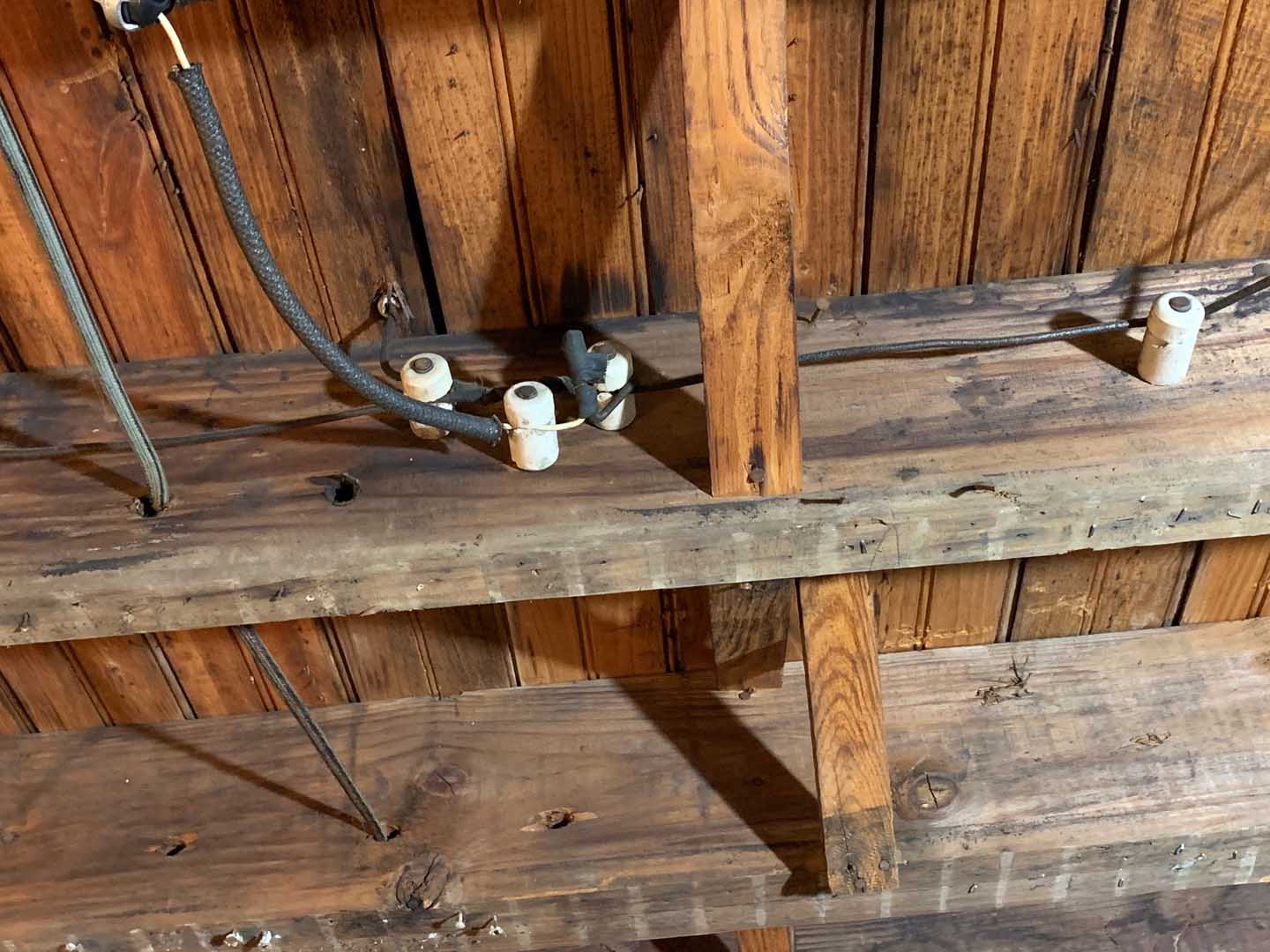
Older homes often present challenges like obsolete fuse panels or undersized service ratings. Solutions include installing a subpanel, selective circuit upgrades, or a full service change. Stag Electric evaluates vintage-home wiring during free assessments, outlining options from subpanel additions to full service upgrades, always prioritizing code compliance and homeowner safety.
What Is the Step-by-Step Process for EV Charger Installation with Stag Electric?
This section outlines Stag Electric’s step-by-step process for EV charger installation, from booking to final approval. The numbered steps below summarize the typical workflow:
- Book a free assessment: Schedule an in-home visit to review panel capacity, parking location, and equipment needs.
- On-site evaluation and load calculation: Technician measures, documents existing loads, and recommends a basic install or upgrade.
- Written estimate and permit submission: The contractor provides a transparent written scope and handles permit applications.
- Installation and testing: Electrician completes wiring, mounts EVSE, performs GFCI/RCD and load tests, and labels circuits per code.
- Inspection and final approval: Inspector reviews; contractor addresses corrections and provides final documentation.
This process ensures efficient installation and clear communication at each stage.
Booking a Free Assessment and Initial Consultation
Start by scheduling a free in-home estimate. A licensed technician will inspect your panel, parking location, and cable routing, performing a load calculation. The visit provides a transparent written estimate outlining scope, permits, and timeline. provides free estimates and clear findings.
Installation, Testing, and Final Approval Procedures
On installation day, the technician installs the charger, runs wiring, and secures connections. Post-installation, commissioning tests verify GFCI/RCD operation and label the panel circuit. The contractor coordinates final inspection, addresses corrections, and provides all documentation. Stag Electric offers this full-service workflow and transparent communication. To schedule a free assessment for your Level 2 charger installation, including if you’re searching for ‘ Tesla Wall Charger installation near me,’ contact Stag Electric at . The team serves the North Shore and nearby NH areas.
Important Disclaimer
The information provided in this guide is for general informational purposes only and is current as of late 2025. While we strive to keep the information accurate and up-to-date, costs, regulations, permit requirements, and available rebates/incentives are subject to change without notice. This content does not constitute professional electrical advice, financial advice, or a guarantee of specific outcomes or pricing. Homeowners should always consult with a licensed Master Electrician for a personalized assessment, accurate load calculations, detailed estimates, and to ensure compliance with all local codes and safety standards. Rebate and incentive eligibility should be independently verified with the respective program administrators. is not responsible for any actions taken based on the information presented herein.