Home Generator Care: Simple Maintenance for Long Life and Dependable Power
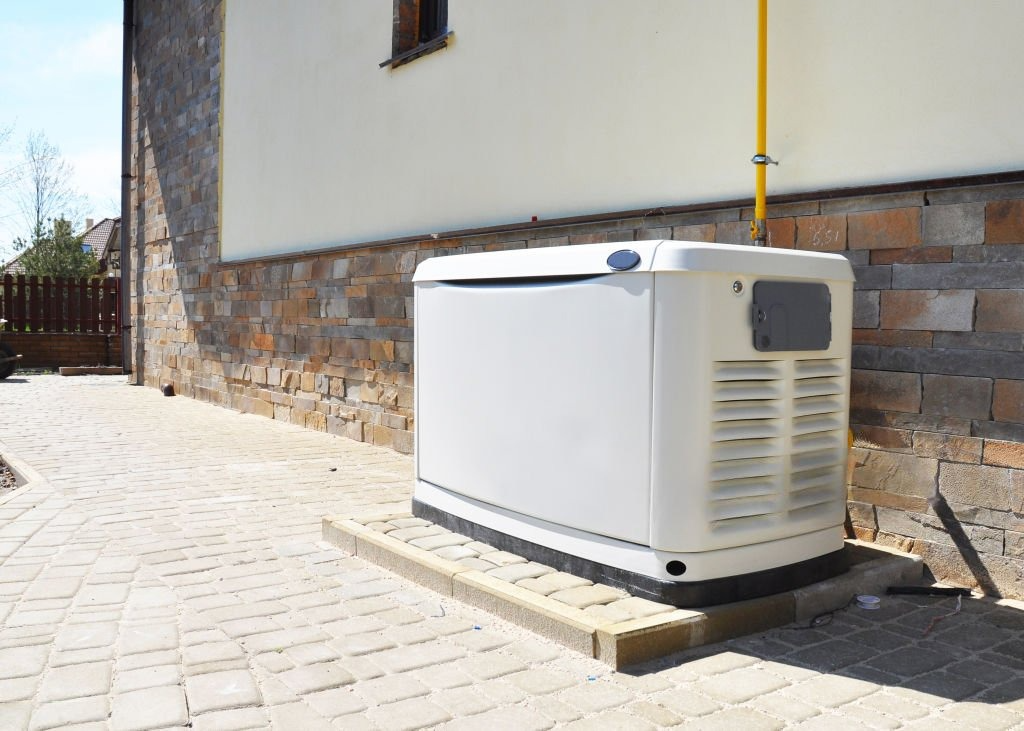
Keeping your home generator in good shape is the best way to make sure it will work when you need it. Regular upkeep extends the unit’s life, boosts performance, and reduces the chance of a costly surprise during an outage. Below, we walk through the practical maintenance steps homeowners should know, what a full service covers, and when to call a pro. We’ll also touch on cost drivers and seasonal care so your generator stays ready year-round.
Why Regular Generator Maintenance Matters for Longevity
Scheduled maintenance prevents sudden failures and expensive repairs down the road. Following a routine lets you spot small problems before they grow, which keeps the generator running efficiently when power goes out. Regular service also reduces safety risks tied to worn or damaged components, helping protect your home and family.
How Preventative Maintenance Extends a Generator’s Life

Preventative maintenance is the most effective way to lengthen a generator’s service life. Routine tasks—like oil changes, battery checks, and load tests—keep systems running smoothly. Fresh oil prevents excessive engine wear, battery checks ensure dependable starts, and load testing confirms the unit can handle the power demands placed on it. Taken together, these steps reduce stress on the generator and help it serve your home longer.
What Safety Advantages Come from Professional Generator Service?
Having a certified technician inspect your generator adds an important layer of safety. Pros can find hazards you might miss—fuel leaks, loose wiring, or other electrical issues—and fix them before they become dangerous. Many failures happen because maintenance was skipped; professional service follows industry standards and keeps your system compliant and safe.
What’s Included in a Comprehensive Generator Maintenance Service?
A full maintenance visit covers the core items that keep a generator dependable and safe during outages.
| Service Type | Frequency | Benefits |
|---|---|---|
| Oil Change | Annually or every 100 hours of operation, whichever comes first | Reduces engine wear and improves performance |
| Filter Replacement | Annually or as needed based on usage | Ensures clean fuel and air supply |
| Spark Plug Inspection | Annually | Promotes efficient combustion and starting |
These routine services protect the generator’s core systems and help prevent unplanned downtime.
Which Key Tasks Happen During an Annual Tune-Up?
An annual tune-up typically includes an oil change, filter replacements, and a spark plug inspection. Each step supports reliable operation: fresh oil lubricates the engine, clean filters keep fuel and air free of debris, and inspected plugs reduce starting problems and help maintain fuel economy.
How Do Certified Technicians Inspect and Test Components?
Technicians follow a step-by-step checklist: they inspect electrical connections for corrosion or looseness, check the fuel system for leaks or contamination, and run load tests to verify the unit handles expected power demands. This methodical approach uncovers issues early and confirms the generator is ready when called on.
How Homeowners Can Do Monthly Generator Upkeep Checks
There are a few quick checks you can do each month to keep your generator prepared for an outage. These basic tasks help catch problems early and keep the unit ready.
- Visual Inspections: Look for signs of wear, leaks, or physical damage to the generator’s exterior.
- Fuel Level Checks: Make sure fuel is topped up so the generator won’t run dry in an outage.
- Battery Voltage Monitoring: Check the battery voltage to confirm it stays within the recommended range.
Monthly attention like this makes a big difference in overall reliability.
What DIY Steps Should Owners Do for Standby Generators?
For standby units, simple DIY tasks include checking oil levels, inspecting air filters, and testing the battery. These checks keep the engine lubricated, the air-fuel mix clean, and the starter system reliable. If anything looks off or you’re not comfortable performing a task, call a professional.
When Is It Time to Call a Professional?
You should contact professionals for generator service if the unit won’t start, makes unusual noises, or shows warning lights on the control panel. These signs can signal problems that need professional diagnosis to prevent further damage and ensure safe operation.
What Affects the Cost of Residential Generator Maintenance Plans?
Several factors affect maintenance pricing. Knowing them helps homeowners pick the right plan for their needs and budget.
- Type of Generator: Standby and portable generators have different service needs and costs.
- Usage Frequency: Units that run more often need more frequent maintenance and may cost more to service.
- Service Plan Options: Plans vary by coverage and visit frequency, which impacts price.
Weighing these factors helps you choose a plan that balances cost and peace of mind.
How Do Generator Type and Usage Change Pricing?
Standby generators typically require more comprehensive maintenance because they’re more complex and often support critical home systems. Portable units usually cost less to service but still need regular checks. Higher usage increases wear, which can raise service needs and costs over time.
What Value Do Stag Electric’s Maintenance Plans Deliver?
Stag Electric offers plans designed to keep your generator ready: routine inspections, priority scheduling, and broad coverage for common residential models. Regular maintenance reduces the chance of expensive repairs, and priority service gets you back up and running faster when it matters most.
How to Winterize and Care for Generators Seasonally

Seasonal care, especially before winter, prevents many common cold-weather failures. A few targeted steps keep your generator reliable when temperatures drop.
- Fuel Stabilization: Add a fuel stabilizer to prevent fuel from breaking down during long idle periods.
- Battery Maintenance: Keep the battery charged and terminals clean for dependable cold starts.
- Regular Inspections: Inspect the unit before winter to confirm all parts are in working order.
These measures reduce the risk of trouble during storms and extended outages.
Best Practices for Preparing Generators for Cold Weather
Treat fuel with stabilizer, verify the battery’s charge, and inspect connections for corrosion. If possible, keep the generator in a dry, sheltered spot to limit exposure to ice and moisture. These steps improve the chances the generator will start when you need it.
How Seasonal Care Reduces Failures During Outages
Seasonal maintenance helps you catch issues before they become failures. Clean fuel, a healthy battery, and good electrical connections all reduce the likelihood of a no-start when power goes out. Proactive care is the simplest way to avoid emergency repairs in bad weather.
Which Generator Brands Does Stag Electric Service?
We service several leading residential brands so homeowners get trained technicians and the right parts for their unit.
- Generac: A widely used brand known for dependable residential models.
- Kohler: Offers advanced features and strong performance for home use.
- Briggs & Stratton: Built for durability and efficiency across a range of needs.
Our experience with these manufacturers ensures your generator gets the care it needs.
What Expertise Does Stag Electric Bring to Generac, Kohler, and Briggs & Stratton?
Stag Electric technicians are trained on brand-specific service procedures and use manufacturer-recommended parts. That expertise helps us diagnose issues faster and perform repairs that keep your generator running longer. See our customer reviews to learn how we’ve helped local homeowners.
Why Brand-Specific Maintenance Improves Reliability
Each brand has its own specs and components; servicing to those standards matters. Using the correct parts and following manufacturer guidance keeps systems balanced and reduces common failures—helping your generator deliver dependable power when it counts.
Frequently Asked Questions
What are the signs that my generator needs maintenance?
Watch for trouble starting the unit, odd noises during operation, or warning lights on the control panel. Reduced power output, visible leaks, or corrosion are also clear signs you should schedule service. Addressing issues quickly prevents larger problems later.
How often should I perform maintenance on my generator?
Basic checks—visual inspections and fuel level reviews—are smart to do each month. Full maintenance, including oil changes and filter swaps, should happen annually or every 100 hours of run time, whichever comes first. If you run the generator often, you may need service more frequently. Always follow the manufacturer’s schedule for best results.
Can I perform maintenance on my generator myself?
Yes—owners can handle some tasks like checking oil, swapping air filters, and testing the battery. Regular visual checks for leaks or damage are helpful too. For more complex repairs or any safety concerns, call a certified technician to ensure the work meets standards.
What should I do if my generator fails to start?
First, verify the fuel level. Then check the battery for charge and secure connections. Look for obvious damage or corrosion on wiring. If those checks don’t fix the issue, contact a professional technician to diagnose and repair the problem so your generator is ready when needed.
How can I ensure my generator is ready for a power outage?
Stick to a maintenance schedule: change oil, replace filters, and test the battery regularly. Keep fuel topped up and treat it with stabilizer if the unit sits unused for long periods. Monthly visual checks and timely professional tune-ups will keep the system ready for unexpected outages.
What are the benefits of enrolling in a generator maintenance plan?
A maintenance plan gives you regular inspections, priority scheduling, and coverage tailored to your generator type. Routine service prevents many repairs and can save money over time. Priority support also means faster response when outages happen, giving you greater peace of mind.
Conclusion
Routine maintenance is the most reliable way to keep your home generator running when you need it. Simple monthly checks, regular tune-ups, and a sensible service plan protect your investment and increase safety. If you’d like help keeping your generator ready, explore our maintenance options and let Stag Electric be your partner in dependable home power.