If you own an older home on the North Shore, the NH Seacoast Area or Southern Maine, there’s a good chance you’ve heard the words “knob and tube” from a home inspector, an insurance agent, or an electrician standing in your basement. It’s one of the most common reasons homeowners in this area end up needing a full rewire — and it’s also one of the easiest jobs to get wrong if you hire the wrong company.
Hi, I’m David Briley, Master Electrician and owner of Stag Electric. We recently walked through a knob-and-tube rewire in progress on the North Shore and explained exactly what homeowners should expect — and what to look for — before hiring anyone for this kind of project.
What Is Knob-and-Tube Wiring, and Why Does It Need to Come Out?
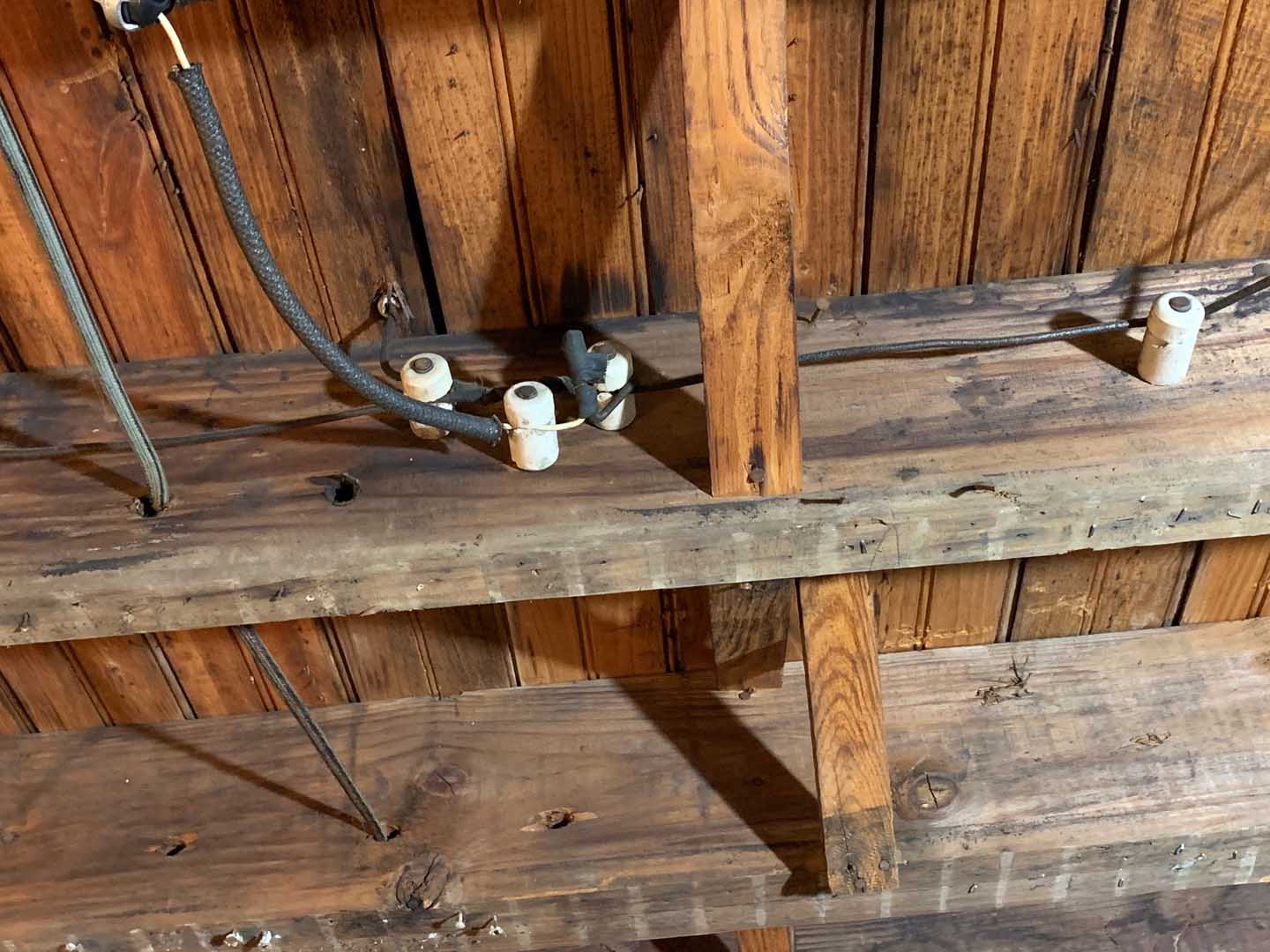
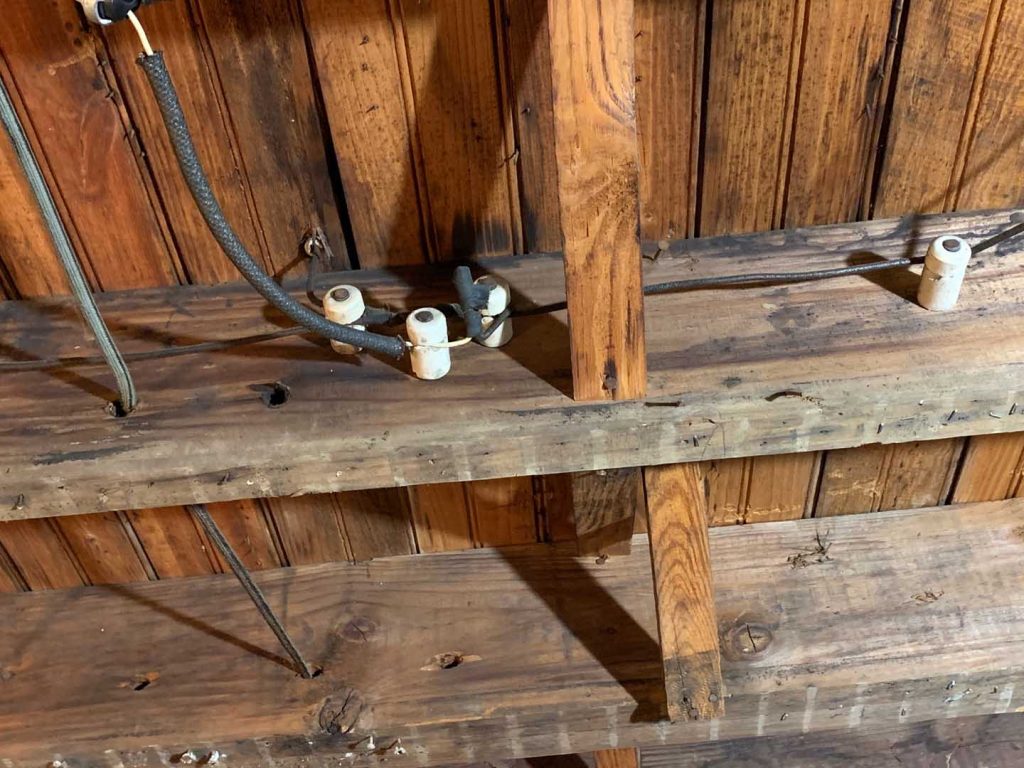
Knob-and-tube wiring is an older electrical system found in many New England homes, easy to spot by its separate, individual wires (rather than the bundled cable used today) and by old fuse boxes rather than modern breaker panels. Homes with this wiring often also have older panels with trapezoid-shaped breakers — a style known to fail by not tripping when it should, or by developing a soft, unreliable trip response over time. Between the outdated wiring and the aging panel, most homeowners are advised to replace the whole system rather than patch pieces of it.
What Happens During a Knob-and-Tube Rewire
A typical knob-and-tube rewire on an older home includes:
- A full panel replacement. The old fuse box or outdated breaker panel comes out, and a new panel goes in to safely handle modern electrical loads.
- New circuits throughout the home, including recessed lighting, ceiling fans, and new outlets in every room.
- Fishing new wire through existing walls and ceilings wherever possible, to keep the home’s plaster and lath as intact as possible.
- Some patching, unavoidably. Even with the best crew, there are spots where wire can’t be fished without opening a small hole. A good electrician keeps these openings small and few.
- Daily cleanup, since a rewire is inherently messy work involving blown-in insulation, plaster, lath, and wood debris.
What to Look for in a Knob-and-Tube or BX Removal Company
Whether you’re dealing with knob and tube or old BX cable, here’s what David recommends homeowners look for before signing on with an electrical contractor:
- Real experience in existing, older construction. Rewiring a lived-in older home is a different skill set than wiring new construction. Ask how much of the company’s work is residential rewire in existing homes.
- A commitment to minimal cutting. The company should aim to cut open as little drywall or plaster and lath as possible, which means less patching for you at the end.
- Patch work included, not left to you. A good contractor doesn’t hand you a wall full of holes and walk away — they complete the first layer of patch themselves before the job is considered done.
- Daily cleanup, not just a cleanup at the very end of the project. Floors should be clean and clear every single day the crew leaves your home.
- A final walkthrough and checklist with the homeowner before the crew leaves the job for good, confirming everything is done the way you expected.
Existing-home rewiring isn’t a side service for Stag Electric — it’s the majority of the work the company does. Residential rewires and retrofits in existing construction make up roughly 85–95% of Stag Electric’s jobs, and the standard is simple: when the job is done, it should look like the crew was never there.
That shows up in a few specific ways on every knob-and-tube or BX removal project:
- Minimal drywall and plaster-and-lath cutting, with the first layer of patch completed before the crew leaves.
- Clean, debris-free floors at the end of every single day — not just the last one.
- A homeowner check-in and final checklist before the job is signed off as complete.
You’ll know the price before we touch a wire. Booties on. Drop cloths down. Like we were never there.
Frequently Asked Questions
Look for a contractor with real experience in existing, older homes, a plan to minimize cutting into your walls and ceilings, patch work included as part of the job (not left for you to hire out separately), and daily cleanup rather than a single cleanup at the very end.
Expect the old panel to be replaced, new circuits run for lighting, fans, and outlets throughout the home, some limited patching where wire can't be fished behind existing walls, and daily cleanup of insulation, plaster, lath, and wood debris.
Yes — any rewire of an occupied, older home involves some mess from opening walls and ceilings. The difference between a good contractor and a bad one is what happens at the end of each day: floors should be cleaned and neat before the crew leaves, every day, not just at the end of the job.
Yes. Stag Electric completes the first layer of patch on any openings before the job is finished, rather than leaving open holes for the homeowner to deal with separately.
Yes. Stag Electric handles BX removal in addition to knob-and-tube rewires, along with adding new circuits to existing or retrofit construction.
Call 978-780-3040. Stag Electric serves homeowners on the North Shore and specializes in rewiring older New England homes.
Stag Electric — Five stars… Always.