Common Electrical Questions — Practical Answers on Safety, Costs, and Fixes
Electrical systems matter for every homeowner. This guide answers the questions we hear most often and gives clear, practical advice about safety, costs, and when to call a pro. Read on to learn how to keep your home electrical service running safely and efficiently. We’ll cover common problems like flickering lights and tripped breakers, signs you need a panel upgrade, how to reset breakers safely, EV charger considerations, and what to expect to pay for a panel upgrade.
After 15+ years answering calls across the North Shore, we’ve heard just about every electrical question homeowners have. Here are the real answers – no jargon, no runaround.
What Are the Signs That Your Electrical Panel Needs an Upgrade?
An electrical panel upgrade is worth considering when your current panel can’t keep up with your power needs. Red flags include frequent breaker trips, lights that flicker, and older panels or fuse boxes.
Those symptoms can affect safety and performance. Upgrading your panel improves reliability and lets you run modern appliances and devices without overloading the system.
With more homes adding EVs and moving away from gas, many households will need higher-capacity service panels to handle the extra electrical load.
How to Identify Electrical Panel Issues in Your Home
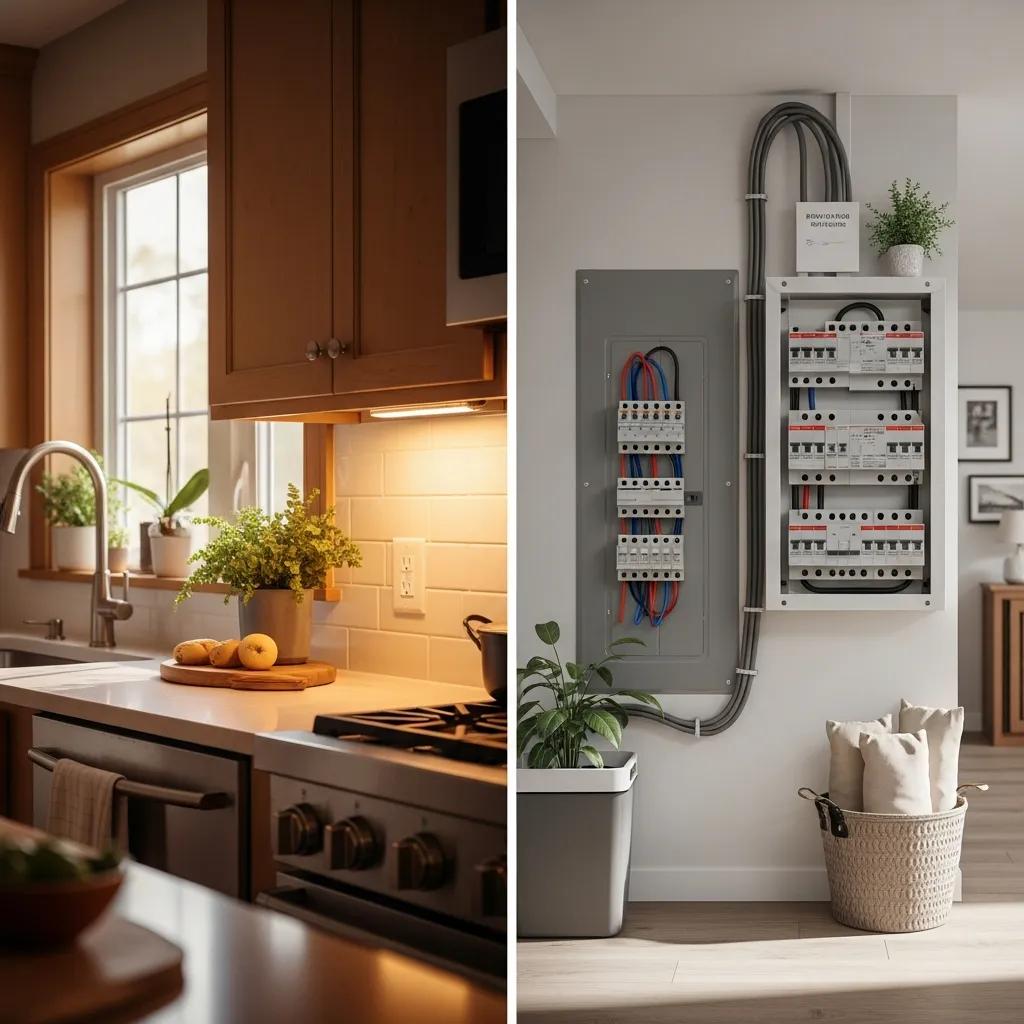
Start with a visual check: look for rust, burn marks, melted insulation, or other signs of overheating around the panel. Listen and watch for frequent breaker trips, flickering or dimming lights, or outlets that don’t work. Also note the panel’s age — if it’s older than about 25 years, it may not meet today’s load demands. If you spot any of these problems, schedule a professional electrician to inspect the panel and recommend next steps.
Why Upgrading to a 200 Amp Service Benefits Your Electrical System
Moving to a 200 Amp service gives your home electrical service more headroom for modern demands. It reduces the chance of overloaded circuits, improves safety, and makes it easier to run multiple high‑demand appliances at once. A 200 Amp service also future‑proofs your home for things like EV chargers, heat pumps, and other electrification upgrades — helping avoid costly, rushed fixes later.
Why Do My Lights Flicker? Common Causes and Troubleshooting Tips

Flickering lights are annoying — and sometimes they’re a warning. This section explains common causes and what you can try before calling an electrician.
What Electrical Problems Cause Flickering Lights?
Flicker can come from several sources: loose or corroded wiring, overloaded circuits, voltage swings from the utility, or failing fixtures and bulbs. A loose connection is especially serious because it can generate heat and lead to fire. If flicker appears only when large appliances start, it may be a load issue. If it’s random or widespread, that’s a stronger sign to get professional help.
When Should You Call a Licensed Electrician for Flickering Lights?
If lights keep flickering after you replace bulbs or tighten visible connections, call a licensed electrician. Also reach out if the flicker affects several rooms, if you smell burning, or if breakers trip when the lights flicker. Those symptoms suggest wiring or panel issues that need a professional diagnosis.
How to Reset a Tripped Circuit Breaker Safely and Effectively
Resetting a breaker is usually simple, but do it carefully. Follow these steps to restore power without creating a hazard.
Step-by-Step Guide to Resetting Your Circuit Breaker
- Find the tripped breaker: Open the panel and look for the breaker that’s out of line with the others or clearly in the “off” position.
- Turn off devices on the circuit: Switch off or unplug appliances and electronics on that circuit to avoid immediately overloading it.
- Reset the breaker: Push the breaker fully to “off,” then back to “on” until you feel or hear the click.
- Verify power: Check lights and outlets on the circuit. If the breaker trips again, don’t keep resetting it — contact a licensed electrician to find the cause.
Understanding When a Tripped Breaker Indicates a Serious Issue
One trip now and then can be normal. Repeated trips, however, often point to overloaded circuits or faulty wiring — conditions that raise the risk of fire or damage to appliances. If a breaker trips frequently, arrange a professional inspection so the underlying problem can be fixed safely.
What Are Essential Electrical Safety Tips Every Homeowner Should Know?
Simple precautions go a long way. Follow basic safety practices, keep up with inspections, and install the right protective devices to lower risks around your home.
How GFCI and AFCI Outlets Protect Your Home
GFCI outlets protect people by shutting power off when they detect ground faults — they belong in kitchens, bathrooms, garages, basements, and outdoor circuits. AFCI devices protect property by detecting dangerous arc faults in wiring that can cause fires. Installing both where code requires them significantly improves home safety.
Common Electrical Code Violations to Avoid in MA and NH
In Massachusetts and New Hampshire, we frequently encounter specific electrical code violations, especially in older homes across the North Shore. Beyond general issues like improper grounding, missing required GFCI or AFCI protection, use of unlisted materials, and overloaded circuits, homeowners should be aware of:
- Outdated Wiring Systems: Many historic homes in areas like Amesbury and Newburyport still have knob-and-tube wiring. While not always immediately dangerous if undisturbed, it’s often ungrounded, lacks modern insulation, and can pose a fire risk when insulation degrades or if it’s improperly modified. Upgrading this wiring is crucial for safety and to support modern electrical loads.
- Lack of Permits and Inspections: Any significant electrical work, from panel upgrades to new circuit installations, requires permits and inspections by local authorities. Failing to obtain these can lead to unsafe installations, insurance complications, and issues during home resale.
- DIY Electrical Work: While tempting, electrical work should always be performed by a professional electrician. Improper DIY installations are a leading cause of code violations and electrical hazards.
Local codes can differ significantly even within MA and NH. That’s why a professional inspection is vital. During a Stag Electric safety inspection, our licensed electricians thoroughly examine your entire electrical system, from the service panel to outlets and switches. We identify potential hazards, pinpoint code violations, and provide clear, actionable recommendations for upgrades or repairs, ensuring your home is safe, efficient, and compliant with all local regulations.
What You Need to Know About Home EV Charger Installation
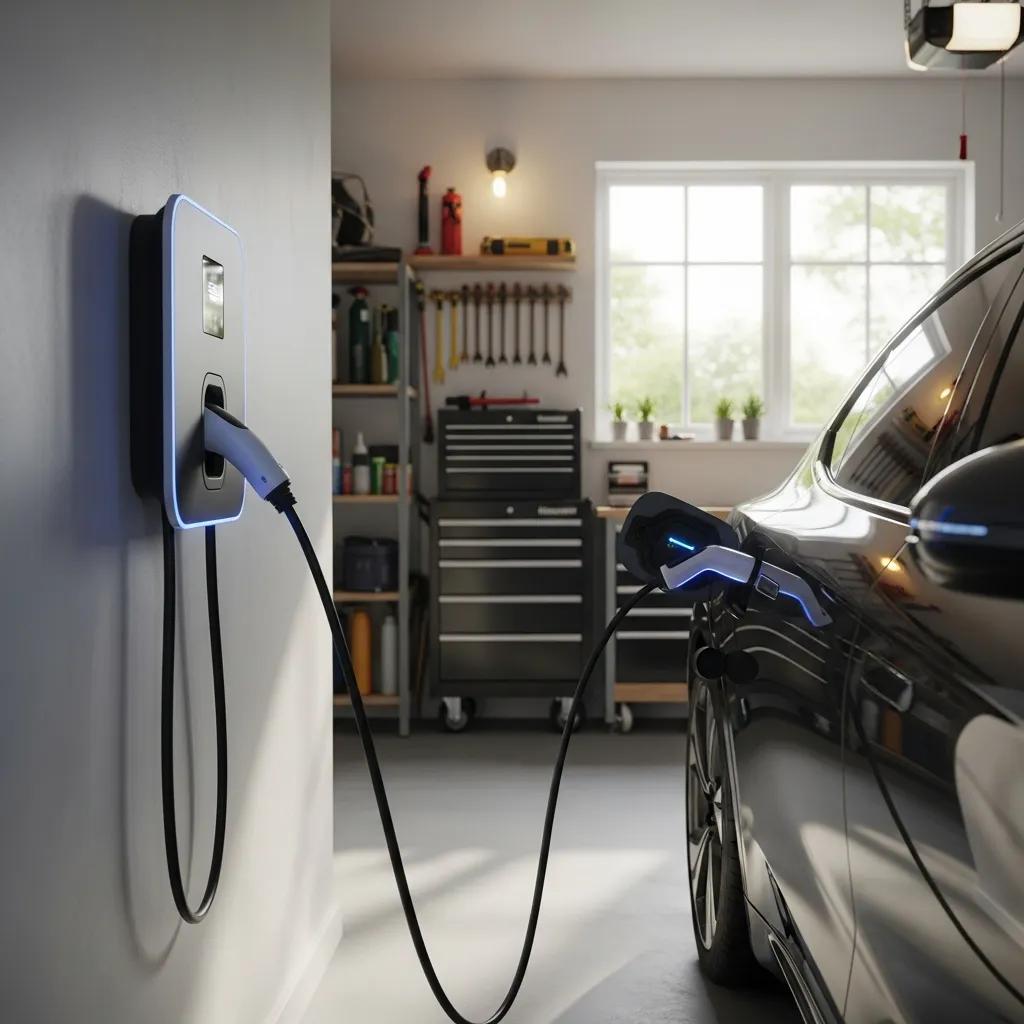
As electric vehicle (EV) ownership continues to grow, many homeowners are looking to add a convenient home charging solution. Installing an EV charger is a significant upgrade that requires careful planning to ensure it meets your needs and complies with local electrical codes. This section will guide you through the essential considerations, from choosing the right charger type to understanding the installation process and what to expect.
Before installation, it’s crucial to assess your home’s electrical capacity. Many modern EV chargers, especially Level 2 units, require a dedicated 240-volt circuit, which might necessitate an electrical service panel upgrade. A professional assessment from a licensed electrician can determine your current system’s capabilities and recommend the best path forward for a safe and efficient charging setup.
Frequently Asked Questions
What are the benefits of upgrading to a 200 Amp service?
A 200 Amp service gives your home more electrical capacity, so you can run multiple high‑power appliances without overloading circuits. It improves safety by reducing stress on wiring and makes it easier to add EV chargers, heat pumps, or other high‑demand equipment. In short: more capacity, better reliability, and greater flexibility for future upgrades.
How can I tell if my electrical panel is outdated?
Look at the panel’s age and condition. Panels older than about 25 years, frequent breaker trips, flickering lights, visible rust, or burn marks are all signs the panel may be outdated. If you see any of these, have a licensed electrician inspect the panel and recommend whether an upgrade is appropriate.
What should I know about electrical code violations in my area?
Code violations can be unsafe and may complicate home sales or insurance claims. Typical violations include missing required GFCI/AFCI protection, improper grounding, and non‑listed wiring or devices. Codes vary by state and municipality, so rely on a licensed electrician familiar with MA and NH rules to identify and fix issues.
What are the risks of ignoring electrical issues in my home?
Ignoring electrical problems increases the risk of shock, appliance damage, and electrical fires. Issues like frequent breaker trips, persistent flicker, burning smells, or warm outlets should be addressed promptly. Early diagnosis and repair are safer and usually less expensive than waiting until a failure or fire occurs.
How can I ensure my home is safe from electrical hazards?
Regularly inspect visible wiring and devices, install GFCI and AFCI protection where required, avoid overloading circuits, and use surge protection for sensitive electronics. Schedule periodic inspections with a licensed electrician and follow their recommendations to keep your system safe and code-compliant.
What factors should I consider when installing an EV charger at home?
Decide if you need Level 1 (120V) or Level 2 (240V) charging based on your daily driving and charging speed needs. Check whether your service panel has the capacity for the charger or if an upgrade is needed. Confirm local permitting and code requirements, and hire a licensed electrician to ensure a safe, compliant installation.
Comparing Level 1 and Level 2 EV Chargers: Which Is Right for You?
Level 1 chargers use a standard 120‑volt outlet and are fine for light, overnight charging. Level 2 chargers use 240 volts and charge much faster — they’re a better fit if you have a longer commute or need regular quick turnarounds. Your daily mileage and how often you drive will guide the right choice.
How Much Does an Electrical Panel Upgrade Cost?
Panel upgrade costs vary based on the panel’s condition, the service size you choose, and local labor and permit fees. Knowing the main cost drivers helps you set a realistic budget.
Factors Influencing Electrical Panel Upgrade Pricing
Several factors influence the cost of an electrical panel upgrade, including:
- Age of Existing Panel: Older panels often need more extensive work to replace, which increases cost.
- Type of Upgrade: Moving to a higher amperage (for example, 200 Amps) typically costs more than a like‑for‑like replacement.
- Labor Costs: Installation complexity and local hourly rates affect the total price.
How Transparent Pricing and Free Estimates Work with Stag Electric
At Stag Electric, we give clear, written estimates with no hidden fees. We offer free site visits to assess your needs and explain options so you can choose the right solution for your budget and future plans.
| Factor | Description | Estimated Cost |
|---|---|---|
| Age of Existing Panel | Older panels often need more extensive replacement work | $500 – $1,500 |
| Type of Upgrade | Upgrading to 200 Amps typically costs more than a standard upgrade | $2,200 – $5,000 |
| Labor Costs | Local labor rates and installation complexity can affect pricing | $50 – $180 per hour |
Text or Call 978-961-6770
Ready for Expert Electrical Help?
Have a question we didn’t cover? Need immediate assistance or a transparent estimate?
We typically respond within minutes, even if we are on a jobsite. That’s the Stag difference.
Disclaimer regarding estimated costs: The cost estimates provided in this guide are for informational purposes only and are subject to change. Actual costs may vary significantly based on your specific location, the complexity of the job, materials used, local labor rates, permitting fees, and the current condition of your electrical system. For an accurate and personalized quote, please contact a licensed electrician for a professional assessment.